Article too long to read?
Writer-director James Hughes’s The Nomophobe is a slow-paced, dramatic narration of a teenager’s disconnect from her reality as she remains glued to her phone. The slow spiral, the internal dissent and the mind numbing gap between her reality and digital world remains the primary plotline. However, Hughes ingeniously makes his lead pair, the mother-daughter duo and their fractured relationship, the epicentre of this drama. The result–a deeply emotional, moving and thought provoking short of 24:27-minutes that leaves its audience introspecting.
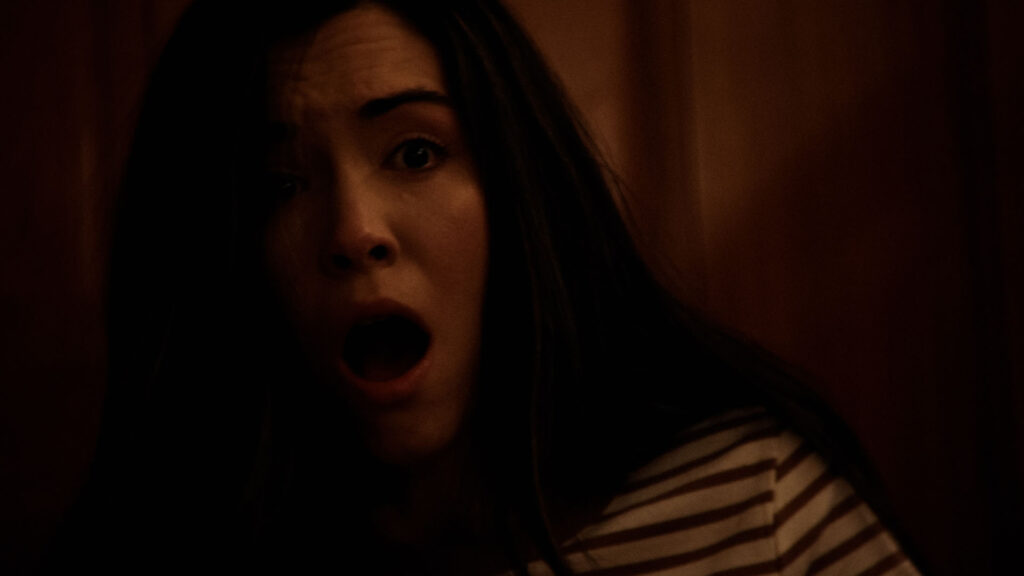
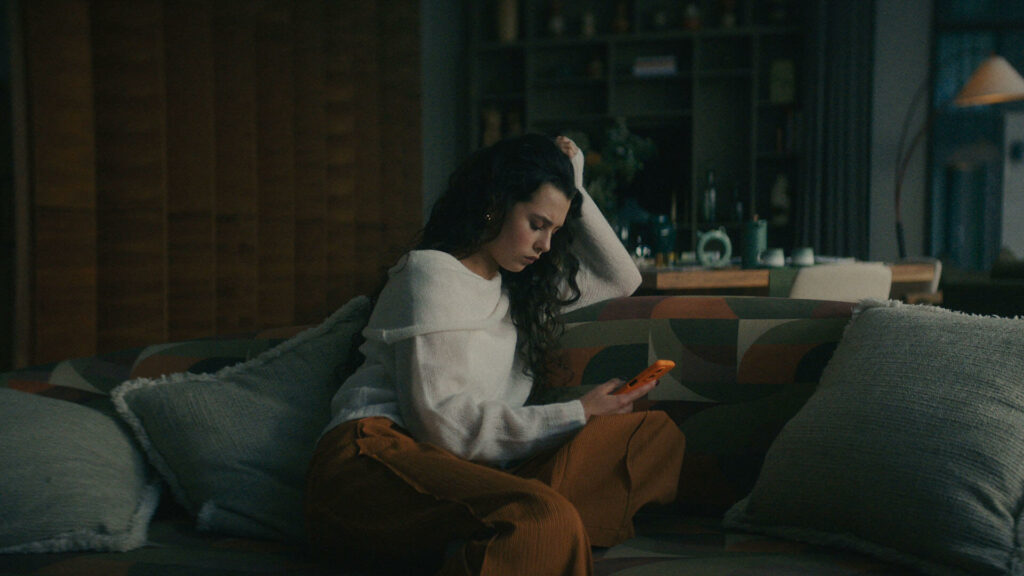
Throughout the film, you sense the dichotomy in the story unfolding. Madison Ashley-Cooper (Beau Gadsdon) is constantly on the phone, completely distanced from her living space and time. The irony? She reaches out to her father via texts, while painfully ignoring her mother Laurie Ashley-Cooper (Clara Paget) who is right next to her. Sounds familiar? That is the crux of The Nomophobe. It painstakingly goes on to illustrate the stark reality of all our lives. We are laughably disconnected as a civilization ironically due to having more modes to communicate. We lack the skillset to reach out and connect with people around us. So reliant have we become on using a phone, that the idea of even filling out a form as opposed to clicking a few options via an app is unthinkable, a fact that gets highlighted in the film.
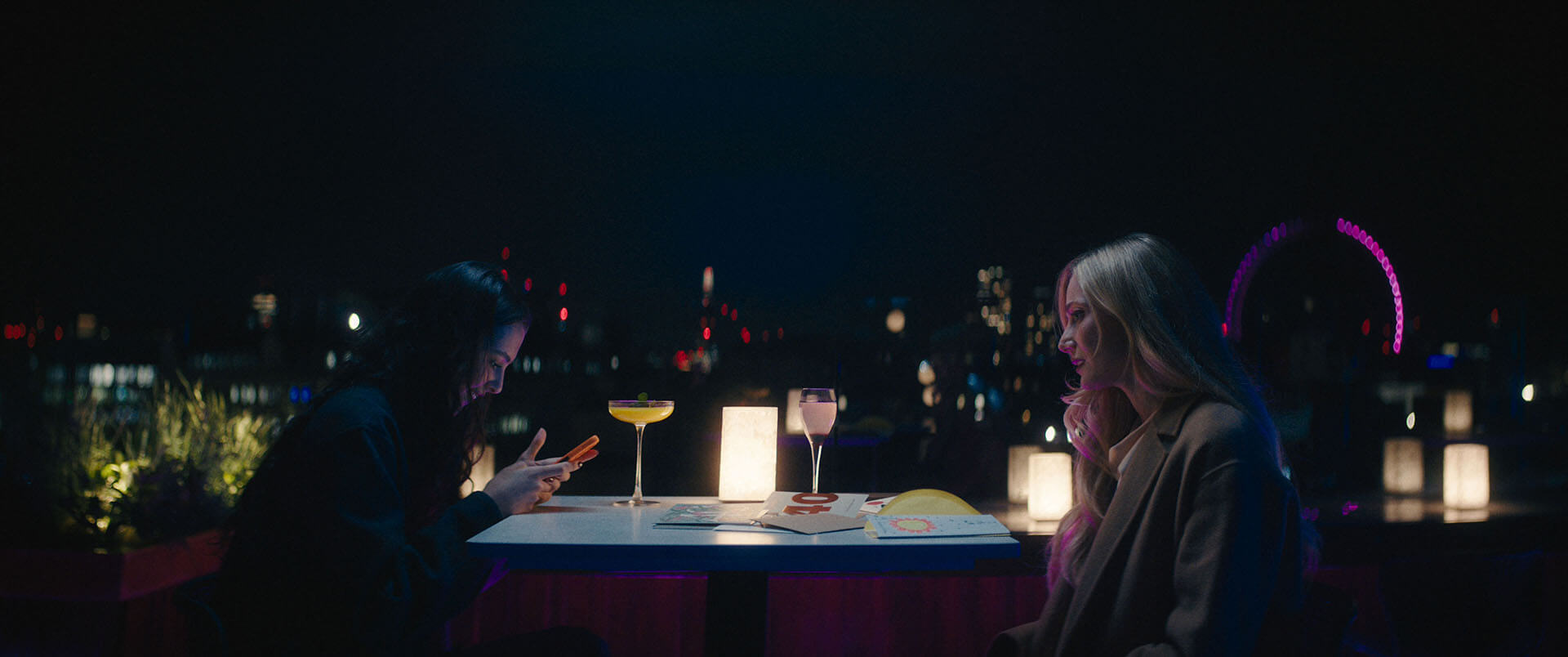
There is an unmistakable dark tone to this short. The production designer (Sean Patel-Gould) and costume designer (Madeleine Bowden) have understood this well. The sterile world that the pair inhabit is very well displayed through the colour palette chosen–neutral shades, against pops of orange–the despair and hope cohabiting the space. Gadson and Paget bring to the screen a powerful performance that is bound to leave an imprint. Their power dynamics, the imbalance of it, the profound isolation they have created both within themselves and each other is so convincingly portrayed by the actors that it hardly warrants any dialogues. The validation they seek is lost in their shared silences and screentime. Add to that, Jean-Pascal Beintus’s music and Richard Bell’s cinematography, we get to experience the anxiety, the frenzied response to the phone being taken away and the uncomfortable truth of what life has come to be–a costly affair, where we have unknowingly damaged our mental health chasing temporary comfort on our screens.
When Abner (Michael Strelow) and William (Jack Brett Anderson) are introduced into the storyline, the irony is again not lost. Without giving away any spoilers, while one does his best to elucidate Madison on the repercussions of the path she takes, the other tries his best to ensure she stays embroiled. The end result is a slow realisation of the price we pay for easy connections over attachments, external validation over inner peace and a pseudo world of likes and thumbnails over shared moments.
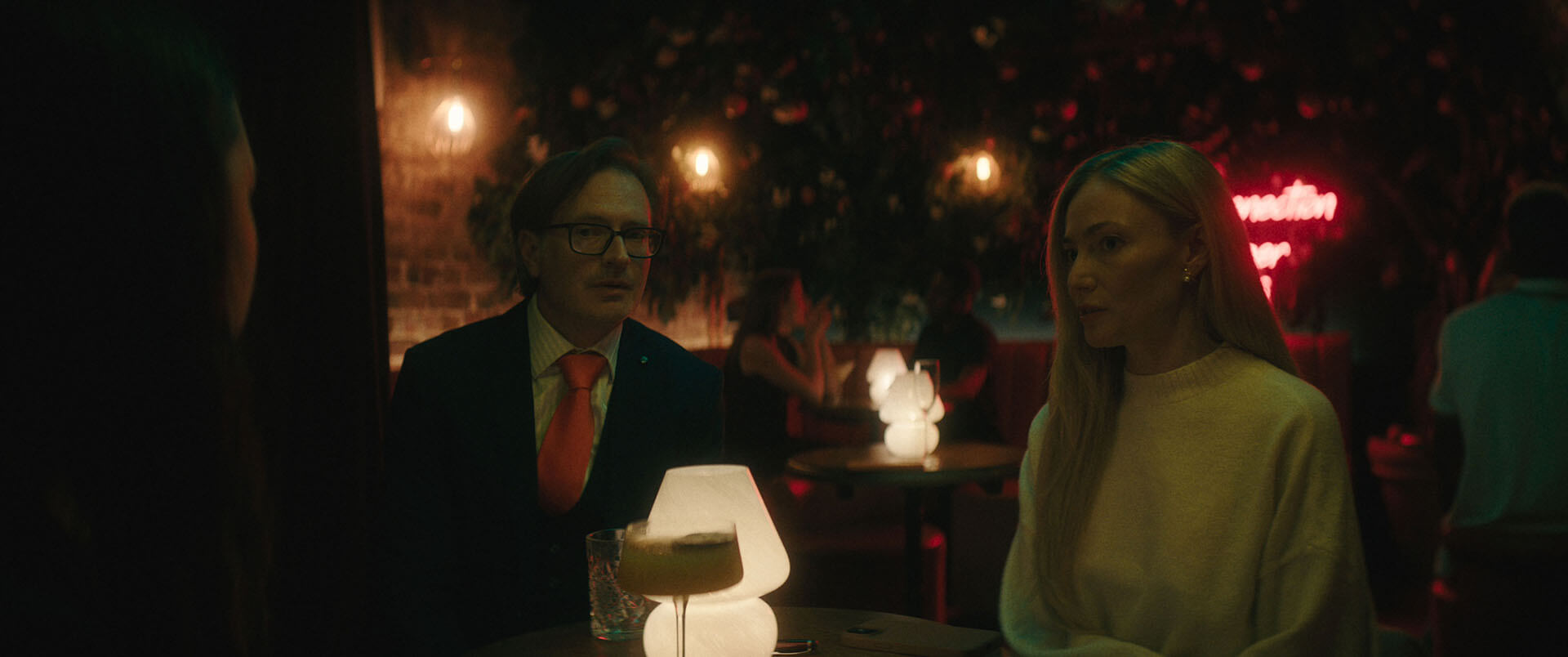
Chiara Armentano’s editing ensures that the film remains even-paced. It helps to create the necessary tension and build up for the climax. But, it is a testament to Gadsdon and Paget’s craft that the film sustains itself right until the credits roll. Hughes doesn’t waste any time to introduce them to the plotline, with no backstory, but a well written scene at the dinner table. It goes to show both Hughes’s genius at his ability to elicit the performance and the writing that ensures to not fail at creating the compelling world of the estranged duo.
The Nomophobe is intentionally futuristic and slightly dystopian in its narration, supplemented with a wonderful cast and brilliant addition of popup graphics. It manages to convince its audience of the damage phone addiction does and the irony of being shut out due to technology. Compelling, reflective and well researched, the film is a must watch for those still skeptical about Nomophobia.
Watch The Nomophobe Short Film Trailer
No comments yet.
Got Something to add to this article?
Your email address will not be published. Required fields are marked *