Article too long to read?
Writer-director Stine Hole Mankovsky’s 14:17-minute long The Guilted Age is a piercing remark at the patriarchal subtexts that layer modern day policy-making. Sharp, intellectual and raw, the film uses the opulence of the 19th century to bring forth a message that holds relevance even today. When Louisa confides in Lady Anabelle, little does she know her secret is about to carry forward a message for the generations to come. Layered and yet stripped of the traditional storytelling techniques, Mankovsky offers a film that is bound to set a new course in both filmmaking and political discussions.
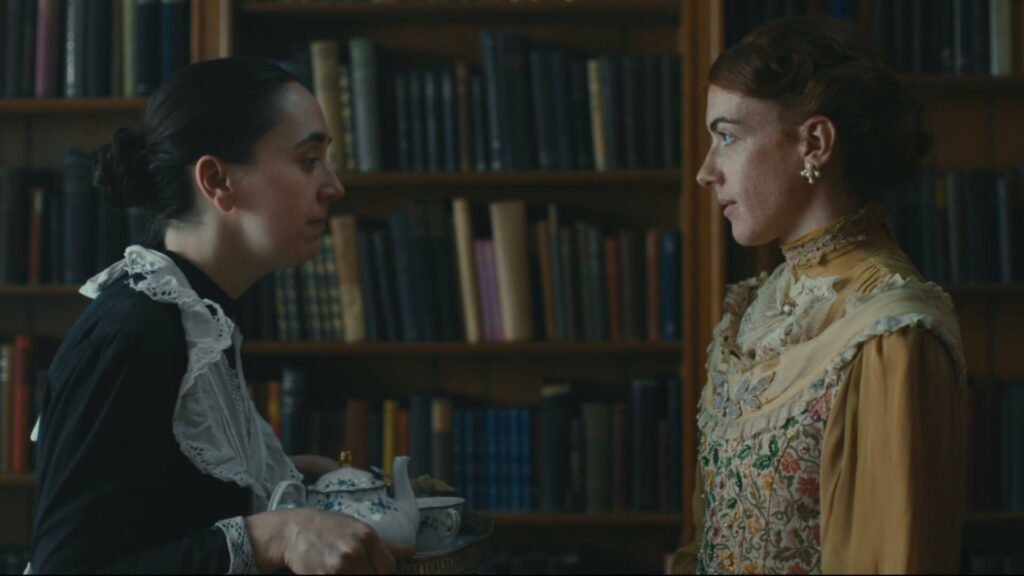
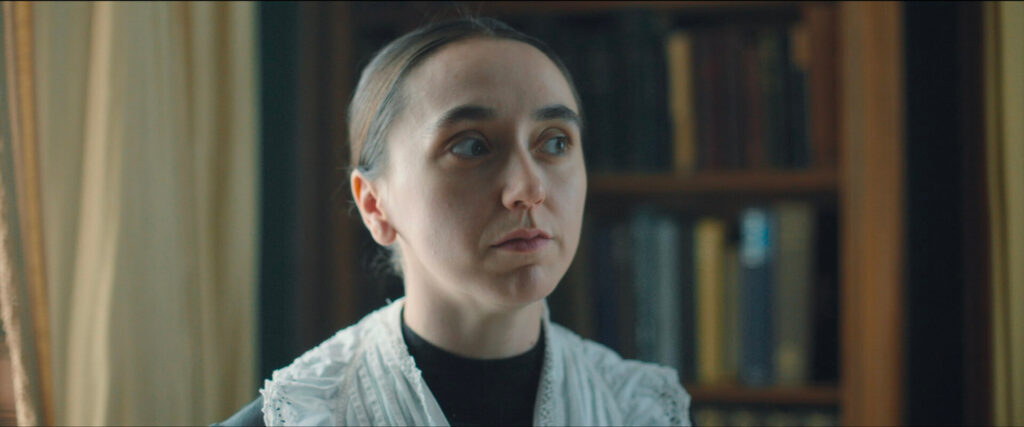
Louisa (Amy Anderson) is a maid working in a mansion based in Texas. It’s the year 1890 and the grandeur isn’t lost on the viewer. Despite it being a bottle film, care is taken to recreate the old world charm; the production design (Alice Wintersteiger) a stunning display of authenticity and the Gilded Age, the short manages to successfully conjure up the Victorian charm, right from its fabrics to the porcelain set used. Add to that costume designer Mia Maxwell’s finesse, and we are transported back in time.
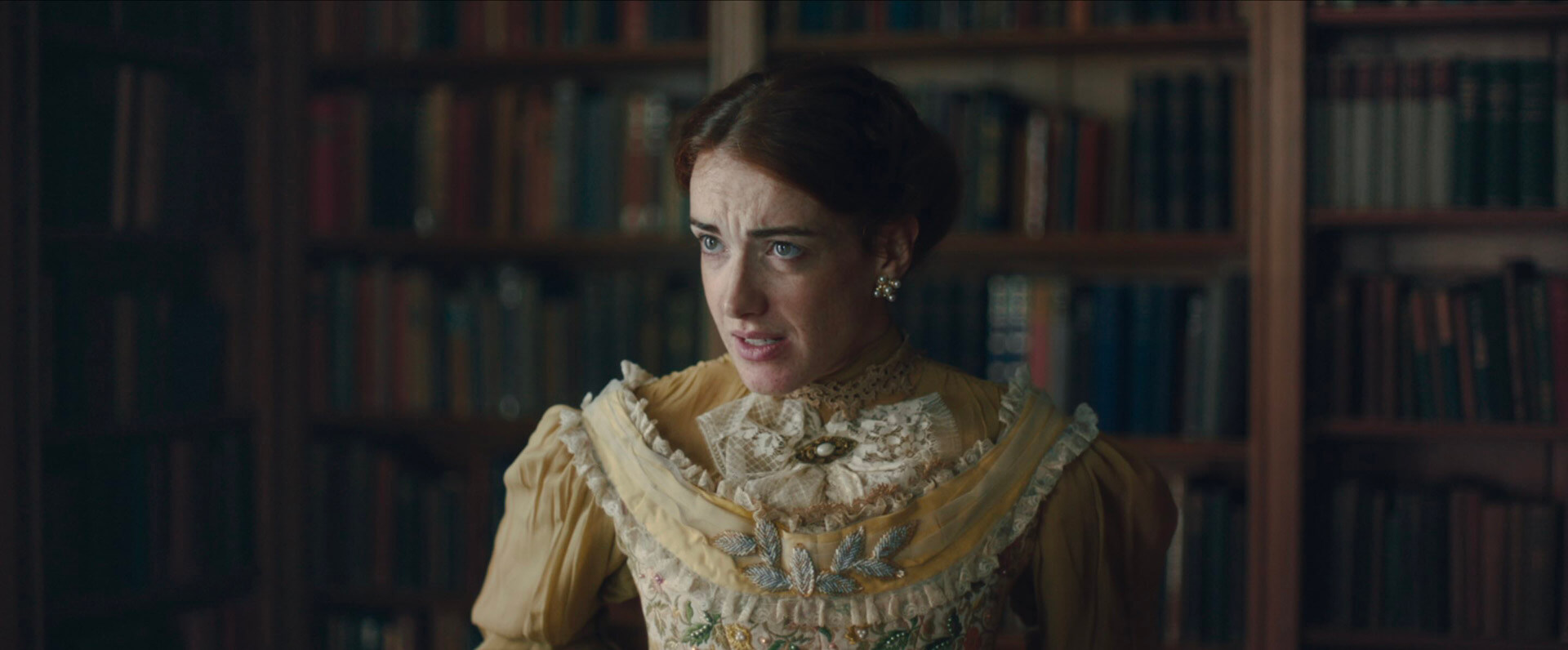
There’s an isolating misery that Louisa stoically attempts to bear until Lady Anabelle (Lucy May Rothwell) enters the room. The duo share an icy cold exchange that swiftly breaks once it becomes clear that Louisa is unwell and her predicament is likely to cause an upheaval of sorts. It’s hard not to be reminded of Downton Abbey. But, The Guilted Age is more of a fitting tribute than a hurried imitation. The curt exchanges between Anabelle and Louisa shifting across class, generation and their ordained hierarchy quickly dissipates into a fierce bond of compassion and female solidarity once the secret is revealed–and that becomes the film’s plotline.
What makes The Guilted Age unique are the conscious choices made. Mankovsky chooses silences over orchestral cues. In the absence of any composition to accompany the scene, one is forced to confront the characters in their flesh and blood. There is no assistance, in the form of dramatic shorts or even lines. The drama is in the unfolding of the characters’ expected arc, not in the visual display. And, so, cinematographer Martyna Jakimowska turns the ostentatious parlours into confinements. The close-ups, a raw sketch of what the women endure, makes every twitch in their nerves feel stronger. And, Anderson and Rothwell put their best foot forward. Their chemistry, an ebb and flow of systemic defeat to privileged apathy that eventually finds ground in a surprisingly touching and humane way is the highlight of the film. Both actors, brilliant in their craft, bring forth a performance that is both believable and moving. There is no upstaging here, as the camera remains focused on them both, giving their characters their due screentime. The camera work, an unsettling studied close-ups, giving an intimate, even claustrophobic view to the imprisoned lives women lived, regardless of their stature is the highlight of the film. An interesting take, considering how the film progresses to prove that not much has changed in 2026.
Without giving away any spoilers, Mankovsky is an intellectual and it shows in The Guilted Age. Right from its title (a suitable wordplay to The Gilded Age), to the composition (Jim Bianco) that begins to play only after the credits roll, to the climax where the view reinstates the urgency with which we need to reexamine the society’s double standards, the film is a thorough masterpiece. By doing away with over-the-top dramatics and eschewing from lengthy political rhetoric or the polemics of the subject, what Mankovsky does is let the seething rage of injustice and indignation spill across her characters, through their sharp wit and resolute determination. If her characters are anything to go by, the film is an ode to the many women revolutionaries we have had in the past and continue to have. For those whose voices have been hushed, The Guilted Age is a reminder to find it again.
In honour of those unwilling to remain subservient. A brilliant piece of cinematic excellence and costume drama in the short category!
No comments yet.
Got Something to add to this article?
Your email address will not be published. Required fields are marked *