Article too long to read?
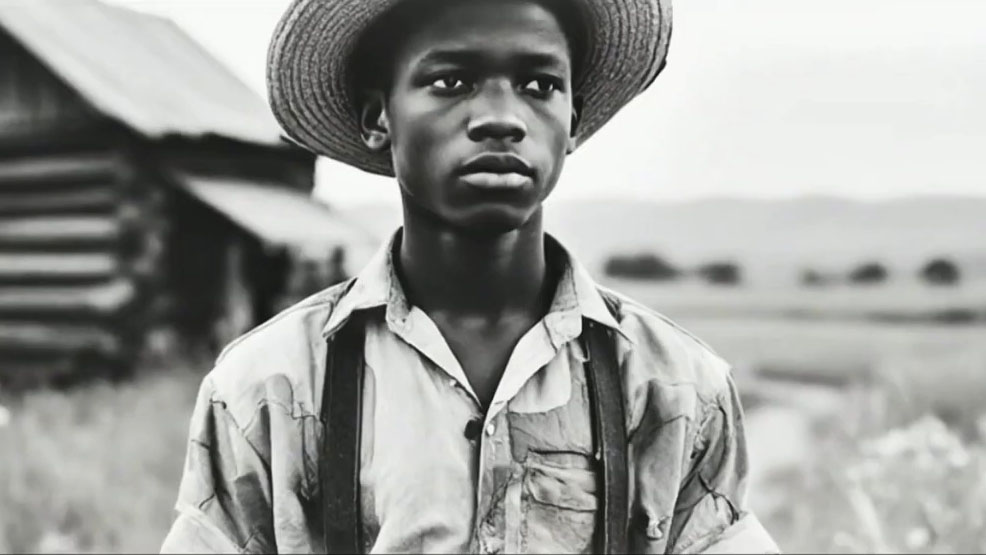
Emunah La-paz’s 60-minute documentary, Black Men in Uniform: The Untold Story touches upon the histories of some of the most famous African-American men (and briefly some women) in the American army, sports, politics, and film. But before Jack Johnson, Jackie Robinson, or Sidney Poitier, or Harriet Tubman, or Madam C.J. Walker, the film begins with the essential mention of Pata Seca, a victim of enforced slave breeding.
Narrated by La-paz and partially AI-generated, the film functions as a who’s who of African-American history of service and all the appalling, systemic cruelty they were subject to—and they were just the emblems (the two-term election of Barack Obama to the highest American office is juxtaposed with that early history as the zenith of African-American achievement in the socio-political sphere). The narrative traces the history from the introduction of Christianity among slaves to the counterculture of the 60s, from bodies broken by labour to long-term damage after Agent Orange. Before the civil war, enslaved men and women were separated and alienated from each other, communities dismantled or nipped at the bud. Boxing was used as a bloodsport for the entertainment of the White man. That is, of course, until defeat at the hands of John Arthur “Jack” Johnson—the first African American heavyweight boxing champion—became so fantastically routine that they were desperate for a “Great White Hope”.
Johnson came up in the 1900s, the son of people who were enslaved less than forty years prior, freed by the war that claimed the lives of approximately 21% of the US Colored Troops. Those who outlived the war saw the revoking of William Sherman’s promise of 40 acres and a mule to Black refugees and Black soldiers. Some returned to their former slavers and took up sharecropping, some went into poorly paid menial work. Many children grew up in single parent households. Here religion took on an even firmer role in the lives and culture of African-Americans as parents turned to the Bible and the Church as a guiding principle for raising children. The film diligently narrates all this history, intermittently weaving in the role of religion and music. As the decades moved away from the second world war, these two elements evolved into countercultural music and political philosophies. Along the way, we receive the biographies of Johnson and soldier turned baseball legend Jackie Robinson. We see the milestone achievements of Hattie McDaniel, the first African-American to win an Oscar for her role in Gone With the Wind; Sidney Poitier, the first African-American man to win an Oscar for Best Actor for his role in the 1963 comedy drama Lilies of the Field; Louis Gossett Jr., the first African American to win the Oscar for Best Supporting Actor in 1982, for his role as Gunnery Sergeant Emil Foley in An Officer and A Gentleman; and Halle Berry, the first African-American woman to win the Academy Award for Best Actress for Monster’s Ball in 2001.
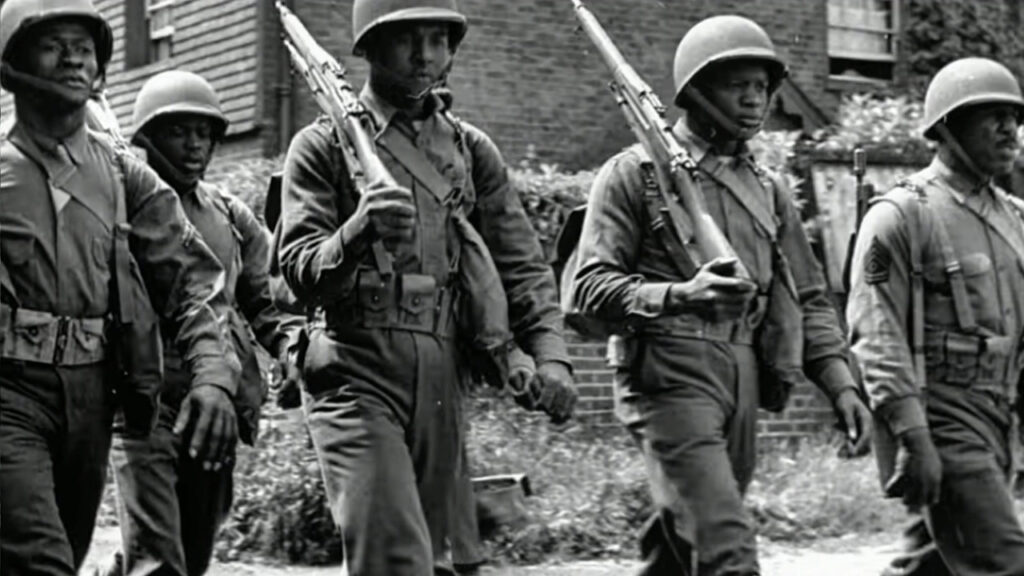
The achievements of the 6888th battalion in the Korean War, the Tuskegee Airmen, and the 1967 landmark Loving v. Virginia ruling form a bitter contrast to the discharges, disbanding, segregation, lynchings, and legal persecution that both Black people in service and Black civilians faced at the hands of White America. The narrative brings up the multiple massacres and burnings Black people were subjected to—race riots in reaction to Jack Johnson’s win against Jim Jeffries, Tulsa race massacre of 1921, Rosewood massacre of 1923, the forced evictions of Seneca Village in 1857. It makes a poetic connection between George Floyd and the thousands upon thousands of Black people who struggled to live and breathe in a country built on their backs.
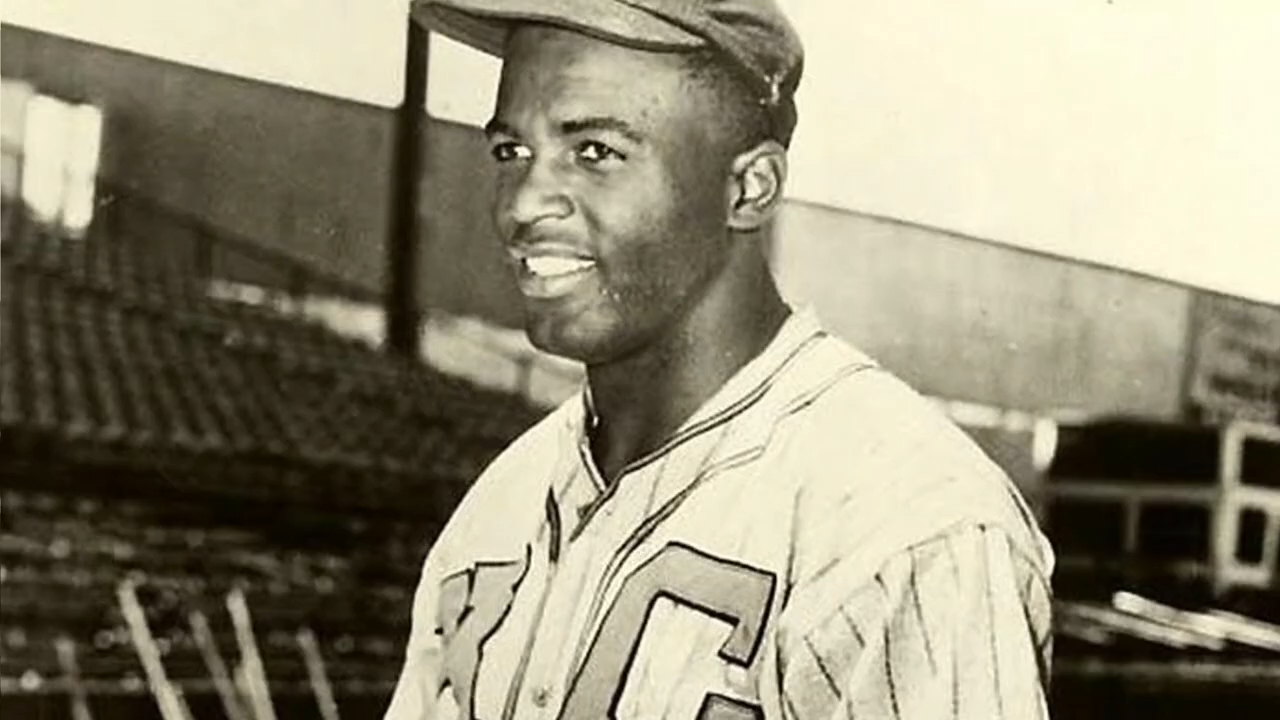
When the film reaches the 1960s era, there is an uptick of political will. Black people started taking to the streets, empowered by MLK Jr., Malcolm X, and the Black Panthers. Ruby Bridges—still alive, a testament to how recent this history is—attended an all-white school at the insistence of her mother and the initiative of the NAACP, as a result of the 1954 Brown v. Board of Education ruling. Against a litany of beatings, jailings, and dog attacks, African-Americans achieved the most important thing since Emancipation: civil rights. The Civil Rights Act 1964, followed by Voting Rights Act 1965, and Fair Housing Act of 1968. At this point, the film marks a cultural change: Black pride. African-Americans start to embrace natural hair.
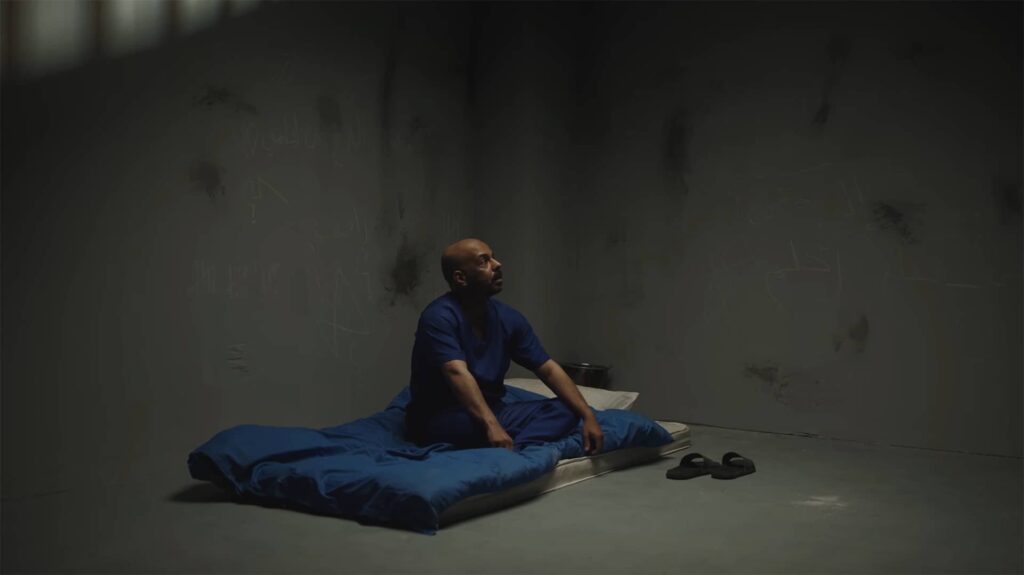
The final segment of the film brings the audience to the Vietnam War, a decidedly sombre turn from that earlier time of triumphs. For twenty years, a total of 300,000 African-American soldiers were shipped off to fight a futile war. More than 7200 of them died in battle. Those who survived, came home to race motivated unemployment, went to bed with more frequent cases of PTSD, and were much less likely to write about their experiences. The only interview in the film features one of those who did take up the pen. La-paz’s father, Vietnam veteran Douglas Lee Williams, retired E7 Msgt. and a patient of kidney failure. The film cites the VA in pointing out the disproportionately higher rates of Chronic Kidney Disease among veterans than civilians, yet to this day, establishing a causative connection between Agent Orange and CKD is riddled with legal hurdles. On its part, the narrative leaves the audience with an overarching connection using Williams’ personal history to go back once again to the pre-Emancipation era—a closing argument to show that the chains of historical violence have continued and followed Black people into the 21st century.
Yet, instead of bleakness, Black Men in Uniform takes the trouble to build up an impression of Black agency, Black resilience, and Black power. Black people have persevered, resisted, and carved out their path into dignity with sheer force of will. And along the way, they have preserved Black joy for themselves and their generations to come.
Watch Black Men in Uniform: The Untold Story Documentary Trailer
Got Something to add to this article?
Your email address will not be published. Required fields are marked *