Article too long to read?
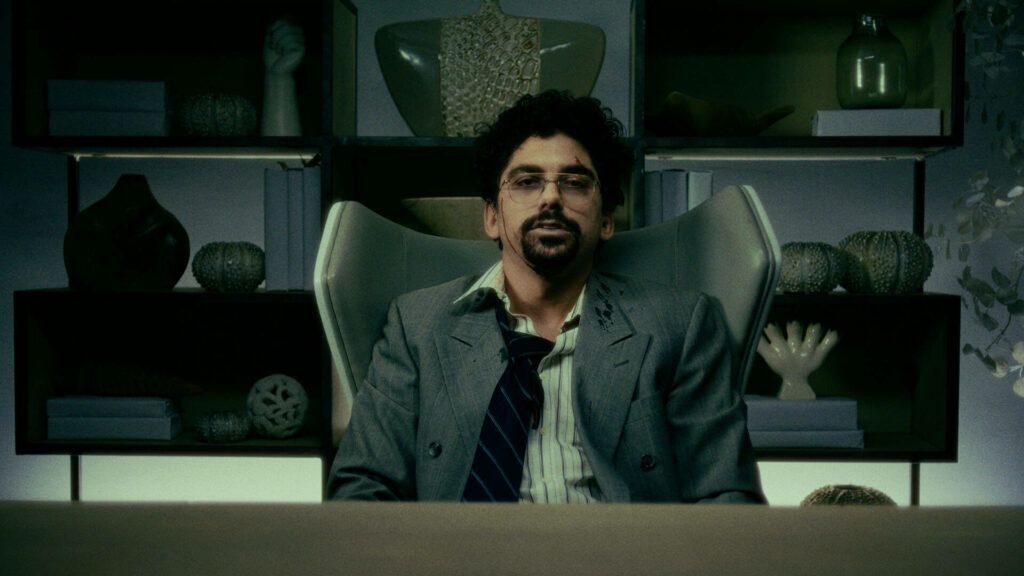
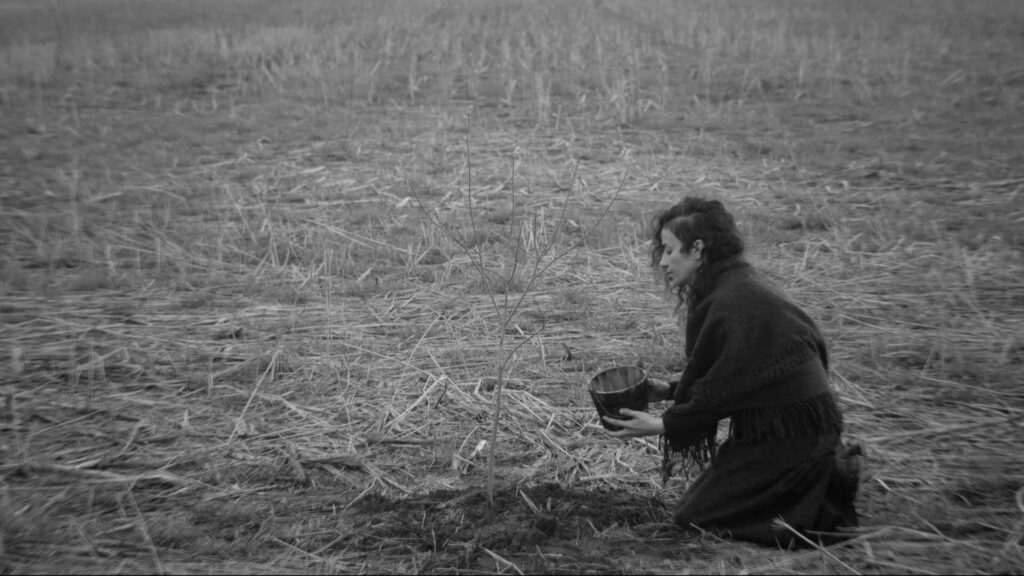
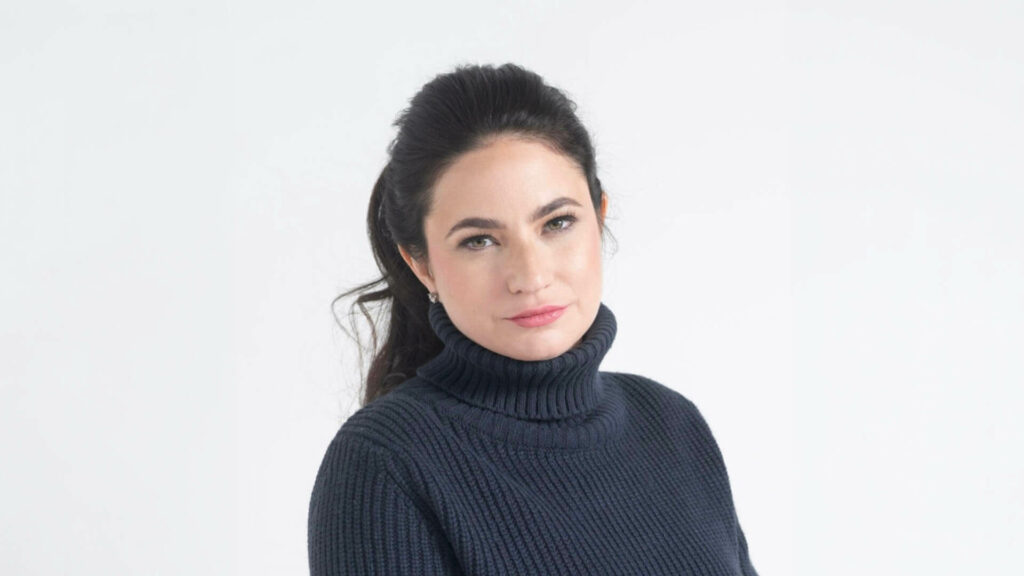
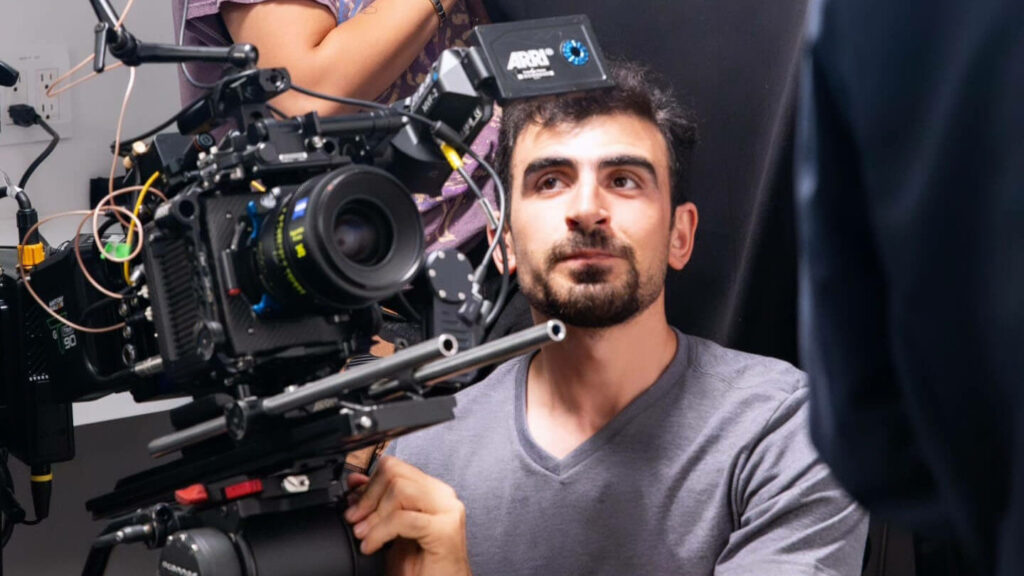
For Iranian filmmaker and screenwriter Hossein Mehrzad, the tension in The Reptile lies as much in what its characters withhold as in what they say. Centered on Leila’s secret decision to seek a divorce, the 21-minute short lets him explore social pressures through marriage and the behavior of those within it. Speaking with Indie Shorts Mag, Mehrzad discusses directing performances, using framing to delay judgment, and finding an editing rhythm rooted in emotion. He also reflects on working within limited resources, the television outline that became the novella Familyless, and his ambitions for the feature screenplay Saving the Injured Leopard.
Indie Shorts Mag: In The Reptile, Leila seeks a divorce without Amir’s knowledge. What first interested you in building a story around a decision that one partner keeps hidden from the other?
Hossein Mehrzad: My answer may go beyond Leila’s character in the film. I am interested in people who want to feel safe while a process is still going on. If they have to pay a price for their decisions, they prefer to pay it after everything is done.
What first attracted me to this situation was the idea of a character who wants to burn their bridges only when they are sure they are standing on solid ground.
Indie Shorts Mag: When writing The Reptile, how did you decide which social pressures needed to be made explicit and which could emerge through Leila and Amir’s relationship?
Hossein Mehrzad: For me, it was important to show social pressure through the characters’ daily lives, rather than simply talk about it. That is why I wanted some of these pressures to appear through Leila and Amir’s relationship and the way they treat each other.
I think we can sometimes understand the effects of a social system better through people’s decisions, silence, and reactions than through direct explanations. I wanted the audience to feel these pressures in the relationship between the two characters without explaining everything openly.
Indie Shorts Mag: What did you ask the actors playing Leila and Amir to communicate through their behaviour that dialogue alone could not express?
Hossein Mehrzad: For Leila, it was important that the actress show her confusion and her inability to confront Amir directly. Leila has made her decision, but she is still unsure how to carry it out. I wanted this conflict to be visible in her behaviour. On one hand, she wants to leave the relationship, but on the other, she cannot face her husband directly.
With Amir, I wanted his behaviour to show that he has not escaped the experiences of his childhood. He is an adult who works and has an independent life, but emotionally, he is still struggling with the child who grew up in a troubled family. I wanted his past to remain present in his behaviour, even when he does not talk about it.
Indie Shorts Mag: How did you approach framing Leila and Amir in relation to one another to shape the audience’s understanding of their marriage?
Hossein Mehrzad: For me, it was important for the audience to understand Leila and Amir’s relationship gradually. I did not want the framing to present one of them as the victim and the other as the guilty one from the beginning. Instead, I wanted the audience to understand their relationship through the distance between them, their reactions, and the use of objects and elements in the scene.
For example, during the scene at the courthouse, workers are building something in the corner of the room. Just as Amir enters the judge’s room, the workers change their positions. This change helps shape the relationship between the characters and the space around them. As the story develops, the couple’s everyday life becomes a place where distrust and fear have replaced the truth.
Indie Shorts Mag: During the edit of the 21-minute The Reptile, how did you decide when to hold a moment and when to move the story forward?
Hossein Mehrzad: For me, the editing rhythm depended more on the characters’ emotional states than on how quickly the story moved forward. Some moments needed more time so the audience could feel the tension and discomfort of the characters. In contrast, when new information appeared or the characters’ situations changed, I tried to move the story forward. I did not want the editing to force emotions on the audience. Instead, I wanted to give them time to discover these emotions through the characters’ behaviour and silence.
Indie Shorts Mag: How did the resources available for The Reptile shape a specific creative decision that audiences can see or hear in the finished film?
Hossein Mehrzad: The limited shooting time made us more careful in how we planned and filmed each scene. I tried to use the actors’ performances and staging to create tension instead of relying on many takes. This limitation also helped keep the film focused on the characters’ behaviour and maintain its rhythm.
Indie Shorts Mag: How has your understanding of the director’s role changed through working in independent cinema since your training at the Iranian Youth Cinema Society?
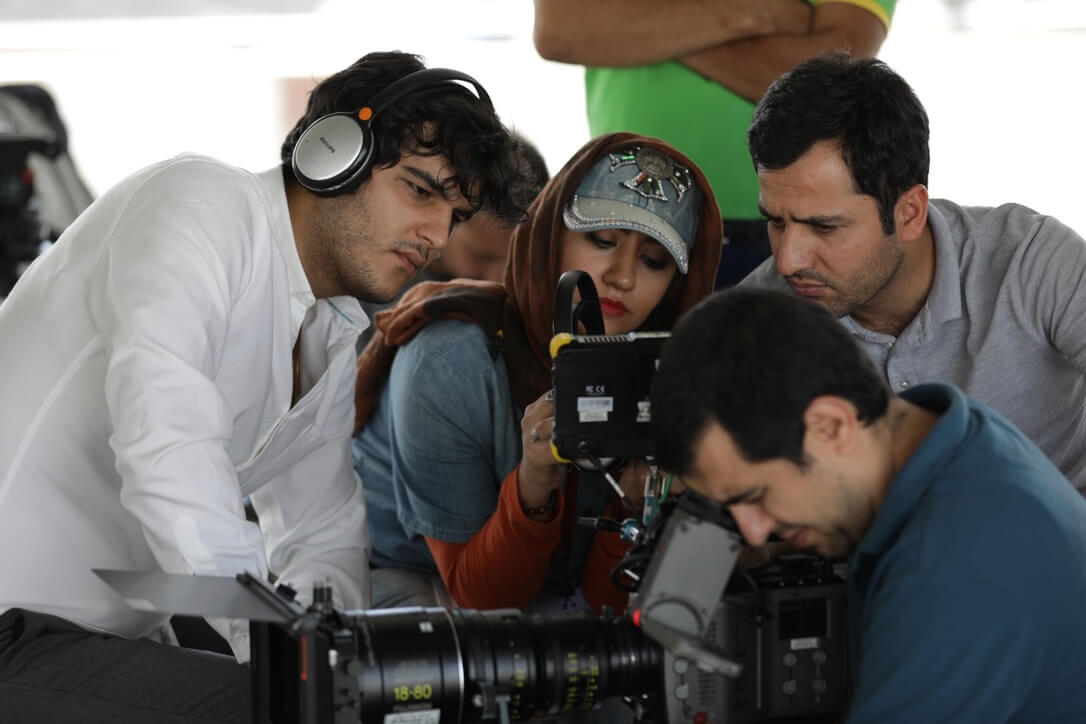
Hossein Mehrzad: After my training at the Iranian Youth Cinema Society, I gradually learned that making films in Iranian independent cinema is not just about having an idea and bringing it to life. I had to learn how to work with limited resources without losing what I wanted to say. Today, I do not see directing only as guiding actors or choosing shots. For me, it means finding a way to make a film I believe in, even when the conditions are different from what I imagined.
Indie Shorts Mag: Alongside your screenwriting, you have written the novella Familyless and the play Two Miles to Mars. What determines whether you develop an idea for prose, theatre, or cinema?
Hossein Mehrzad: In fact, I do not consider myself a novelist. Familyless was originally an outline for a television series that could not be produced in Iran at that time. Later, a writer friend suggested publishing it as a short novella.
In general, I believe each idea finds its form in the medium that best suits it. For example, in my play Two Miles to Mars, the story needs to unfold directly in front of the audience, moment by moment, because its tragic and comic situations depend on this live experience. In cinema, I am more drawn to ideas that I can tell through images, behaviour, and silence. In the end, the question is which form can create a stronger experience for the audience.
Indie Shorts Mag: Your feature screenplay Saving the Injured Leopard brings together social drama, thriller, eco-drama and dark comedy. As you develop it for production, what do you want humour to contribute to the story’s treatment of serious subjects?
Hossein Mehrzad: In Saving the Injured Leopard, dark comedy comes from the gap between reality and the story the characters create about it. Saeed, a driver under financial pressure and family responsibilities, becomes involved with Yaser, who tries to turn a tragic event into a story for the media instead of facing the truth. For me, the dark humour lies in how an environmental tragedy becomes an opportunity to manage public image.
But I do not want humour to reduce the seriousness of the consequences. When the false story goes beyond the characters’ control, what first seemed absurd or even ridiculous becomes a real tragedy. I want this contrast to show how avoiding responsibility in a society driven by public image and public judgment can lead to consequences that cannot be undone.
Indie Shorts Mag: With The Reptile selected for programmes including the Lift-Off First-Time Filmmaker Sessions and the Tasvir Film Festival, what would you like future international opportunities to make possible for the projects you are developing now?
Hossein Mehrzad: For me, international opportunities are not only about screening my films. They can also help me connect with producers and other people who are interested in developing and producing future projects. I am currently working on several projects about social and environmental issues that need international collaboration to reach production. I hope these opportunities will help me turn these projects into films while keeping my personal vision and working under better conditions. That way, I won’t have to turn them into novellas anymore! (laughs).
Mehrzad’s account of The Reptile connects questions of craft with the practical realities of independent production: performance, staging and rhythm become ways of protecting a film’s intent within limited shooting time. His experience with Familyless also shows how a project’s conditions can shape the form it eventually takes. As he develops Saving the Injured Leopard and other social and environmental stories, he hopes international collaboration will give him greater scope to bring those ideas to the screen while preserving his personal vision.
No comments yet.
Got Something to add to this article?
Your email address will not be published. Required fields are marked *