Article too long to read?
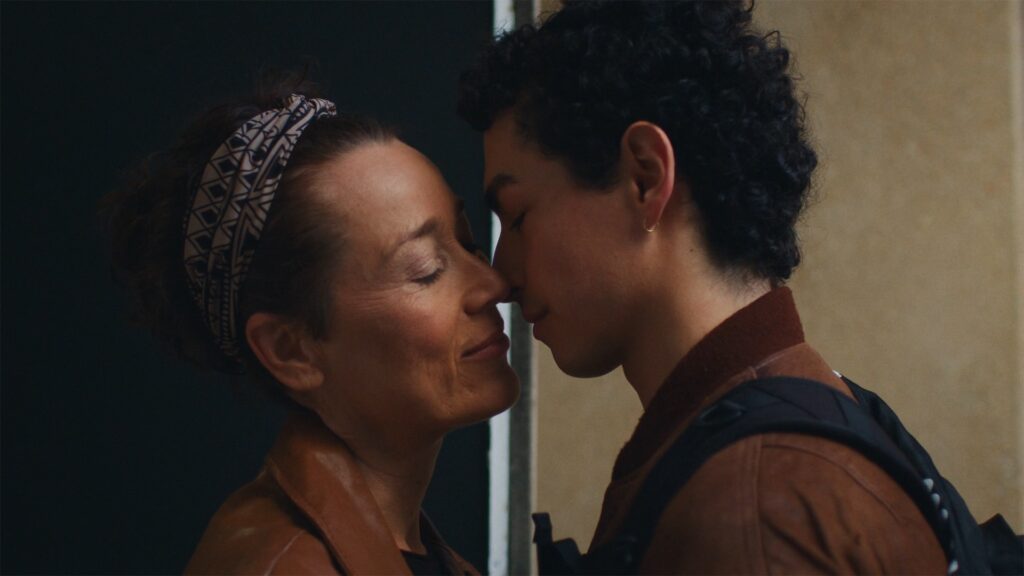
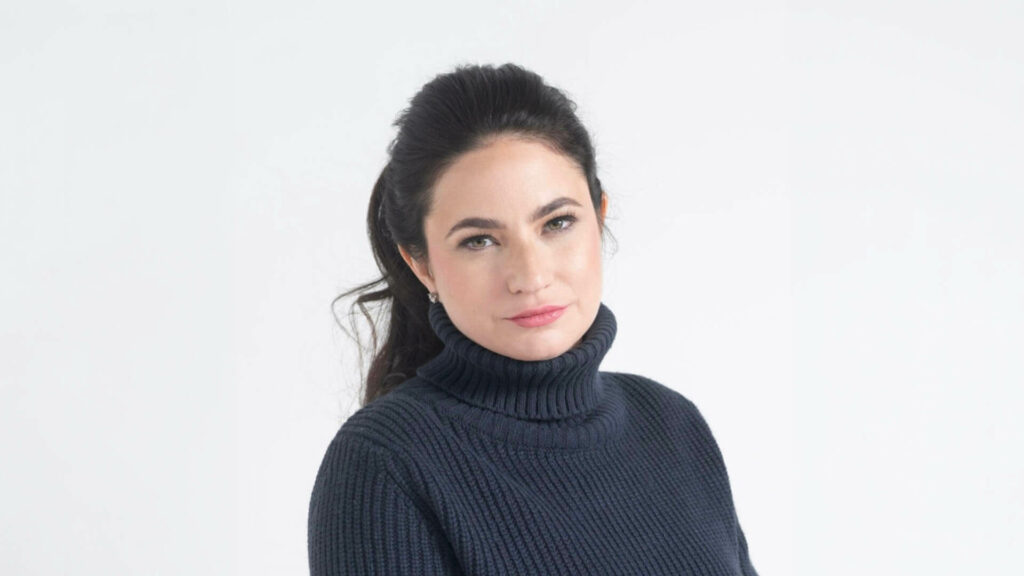
Finise Avery’s Desperately Seeking Commitment began with dating stories from her circle of friends and became a 15-minute New York romantic comedy shot in three days. Following Sophie, whose pursuit of a soulmate lands her in mediation court, the film brings Avery’s affection for classic romantic comedies into the complications of contemporary dating. In this conversation with Indie Shorts Mag, Avery discusses finding sincerity beneath the comedy, giving actors room to reshape a script that had already won awards, and preparing for a subway shoot with less than four minutes to capture each take. She also reflects on the value of her crew experience and her ambition to expand Sophie’s story into a feature.
Indie Shorts Mag: What was the creative leap from hearing your friends’ dating stories to imagining a romantic comedy in which Sophie’s search for a soulmate lands her in mediation court?
Finise Avery: Sophie really is my circle of friends. We’re all a little bit detective and a little bit girlboss when it comes to dating. A lot of the film comes straight from real life. There was a Pilates class where the one new guy left his wallet behind, and a woman in class opened it to find out his name. Another friend called me from a flight to Japan after upgrading to first class because she was convinced she’d meet her soulmate there.
The leap was asking: what happens when that detective energy goes one step too far? Mediation court never happened in real life. It’s the comedic “what if,” the place where all that hopeful, slightly unhinged determination finally has to answer for itself. Sophie is what happens when you have a millennial living in a Gen Z society, and putting her in front of a mediator let me play that with a lot of heart.
Indie Shorts Mag: Breakfast at Tiffany’s, You’ve Got Mail and When Harry Met Sally helped inspire your approach to the film. Which aspects of their romantic sensibility did you want to carry forward, and where did Sophie’s story call for something different?
Finise Avery: Breakfast at Tiffany’s is the vibe of the film. I love ’90s rom-coms, and what I wanted to carry forward from all three is how much they love New York, plus a heroine who is charming, a little chaotic, and completely sincere about wanting love. Those films let romance be funny and hopeful at the same time, and that’s the tone I was chasing.
Where Sophie is different is the world she’s dating in. She’s a millennial living in a Gen Z society. Her love story doesn’t unfold through letters, chance meetings, or years of friendship. It happens through searching, investigating, and taking matters into her own hands. Holly Golightly drifts and Sally waits for Harry to catch up; Sophie goes hunting, and that’s what lands her in mediation court. I wanted to honor the classic romance while showing how much the rules have changed.
Indie Shorts Mag: The screenplay won awards before production, helping encourage you to make the film. How did that early recognition affect your willingness to question and reshape the material as you prepared to direct it?
Finise Avery: I sent the script to festivals before we shot specifically to get feedback and figure out next steps. When it started winning, it gave me the confidence that the story worked and that it was worth making. But I never treated the awards as a reason to lock the script. To me they meant the foundation was strong, and a strong foundation is exactly what lets you take risks on top of it.
On set I let the actors change the script. The biggest changes happened with Sophie. Once we cast our lead, who is British, the character grew in ways I hadn’t written on the page, and I wanted to follow that rather than hold on to the original version. The recognition gave me confidence in the story; the collaboration is what made it a film.
Indie Shorts Mag: How did you work with the actor playing Sophie to make her pursuit of a soulmate emotionally believable while finding the comedy in that pursuit?
Finise Avery: The key was that Sophie never thinks she’s being funny. She’s completely sincere about finding her person, and the comedy comes from how far she’s willing to go for it. So we played every moment straight. If the audience believes she really wants love, they’ll laugh with her instead of at her.
I also gave her real ownership of the character. Our cast came together quickly, with our lead flying in from London, and we shot in three days, so there wasn’t time for long rehearsals. What we did have was trust. I let the actors change the script, and Sophie changed the most. A lot of her best moments came from her own instincts on the day, and that’s a big part of why she feels like a real person and not just a joke.
Indie Shorts Mag: What did you want filming on a live New York subway to bring to the scene, and how did the actual environment shape your directing choices?
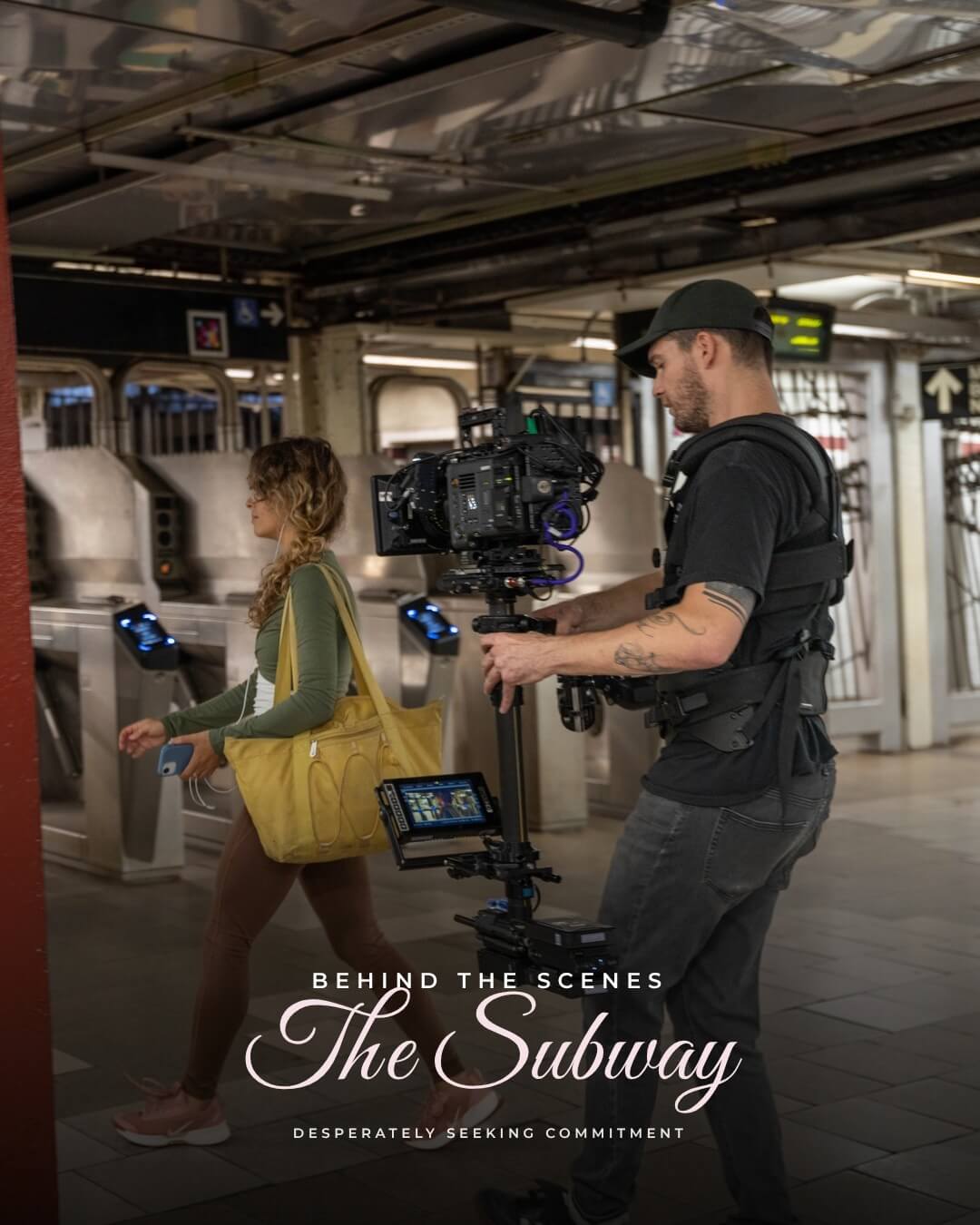
Finise Avery: Honestly, the subway was a practical choice before it was a creative one. Originally the fantasy played out entirely during the mediation. We shot the dance at a studio in Brooklyn with a subway set, but with our timing and budget we couldn’t fit it into the story, so we kept all of it in the end credits. I loved that dance too much to lose it. The real subway scene was the hardest on every level. We rode the 6 train to the last stop, where the train loops around to turn back, so we wouldn’t have to worry about bystanders in the car. That gave us less than four minutes to get each take. There was no room to experiment; everyone had to know exactly what they were doing before the doors closed. It taught me how much good prep matters, and how a limitation can push a scene somewhere better than the original plan.
Indie Shorts Mag: Your assistant-directing experience includes Fleishman Is in Trouble, The Gilded Age and Only Murders in the Building. What did those sets teach you about making decisions under pressure that proved useful when you had three days to shoot Desperately Seeking Commitment?
Finise Avery: I came up through different departments, and each one taught me something I used on DSC. As an AD on Fleishman Is in Trouble, I learned that being on time is crucial and that time is money. I learned the most from watching how directors and ADs treated people when things went wrong. The best ones stayed calm, made a decision, and kept everyone moving.
On Only Murders in the Building I worked in accounting and payroll, which gave me a real understanding of budgeting and how money is actually spent on a production. That was invaluable when I was producing my own film. Every choice on DSC, including shooting on the real 6 train instead of a studio set, came down to knowing exactly where our money and time were going.
With one actor from London, one from LA, and only three days, there was no room to move the schedule. I learned to ask early and be direct about what we needed and what was still unresolved. If I did it again I’d delegate even more, because the film got better the moment I trusted other people with it.
Indie Shorts Mag: Within the film’s 15-minute running time, what guided your editing decisions about when to let a comic moment breathe and when to move the story forward?
Finise Avery: I love movement shots, so we did a lot of Steadicam work with our DP, Connor Lawson. That shaped the editing from the start. When the camera is moving with Sophie, the scene already has energy, so we could let comic moments play out in longer takes without the film slowing down, and save the quick cuts for when the story needed to move.
I trusted my editor, Luis Lagera, to take the first pass on his own. Fresh eyes see the story without all the memories from set, and he found a rhythm I might not have. Then we watched it together and shaped it from there.
Some of the hardest calls were about scenes I loved. The dance we shot at a studio in Brooklyn didn’t fit the story’s pace, so instead of losing it, we moved all of it to the end credits. That kept the story tight while still giving the audience that moment of joy before they leave.
Indie Shorts Mag: Having worked your way through crew roles and founded Reel Solidarity, what do you think meaningful mentorship needs to offer someone making the transition from working on other people’s productions to directing their own?
Finise Avery: I never had one single mentor in the traditional sense. My training came from the sets I worked on and the people I watched run them.
The biggest thing I’d tell anyone is that mentorship can open a door, and you still have to walk through it. If you want to direct, you have to create the opportunity for yourself. Trying something and having it not go perfectly is always better than never trying at all.
Indie Shorts Mag: With screenings ahead at Windsor International Film Festival, FirstGlance Los Angeles and the ICE Movie Awards, how do you hope to build on those opportunities to bring Desperately Seeking Commitment to audiences beyond the festival circuit?
Finise Avery: Windsor feels like a homecoming in a way. Our score and arrangements by Ian McGregor Smith were recorded there with an entirely Canadian team of musicians, our producing partner Joseph Collins, who plays Yuri, is from Windsor, and our lead Tyler Ham Pong is Canadian. Then FirstGlance in LA and the ICE Movie Awards in the French Alps, where I’ll be in person, take the film to completely different audiences.
My biggest hope is to turn DSC into a feature. The short proved the story connects with audiences and juries, and every screening is a chance to meet the people who can help fund the next step. Sophie’s search for her soulmate has a lot more road ahead of her, and I’d love to give her the full-length film she deserves.
Indie Shorts Mag: People trying to find their footing form a thread across your films. As you develop Girlfriend 2.0 and expand Icons Aren’t Born: The Anthony “Ant” Parrish Story into a feature documentary, what new questions about that experience are you interested in exploring?
Finise Avery: For me, “finding your footing” usually happens out of sight, and that’s what I want to explore next.
With Icons Aren’t Born, I’m interested in the person behind the performance. Ant has spent his career making other artists sound their best, and on tour you only get one shot, so I want the feature to show the preparation and trust that go into what audiences see. I also hope it encourages young people to find their place in music and keep creating.
Girlfriend 2.0 looks at the same question through comedy: what happens when you try to upgrade yourself, or the person you’re with, to fit what you think love is supposed to look like?
Avery’s account of making Desperately Seeking Commitment places collaboration at the centre of independent filmmaking: actors finding new dimensions in a character, an editor discovering the rhythm, and a director learning when to delegate. As she seeks support for a feature version, the short gives her a story to continue and practical lessons to carry into her next production. With Girlfriend 2.0 and the feature expansion of Icons Aren’t Born: The Anthony “Ant” Parrish Story also on her horizon, her interest in people finding their footing continues to shape the work ahead.
No comments yet.
Got Something to add to this article?
Your email address will not be published. Required fields are marked *