Article too long to read?
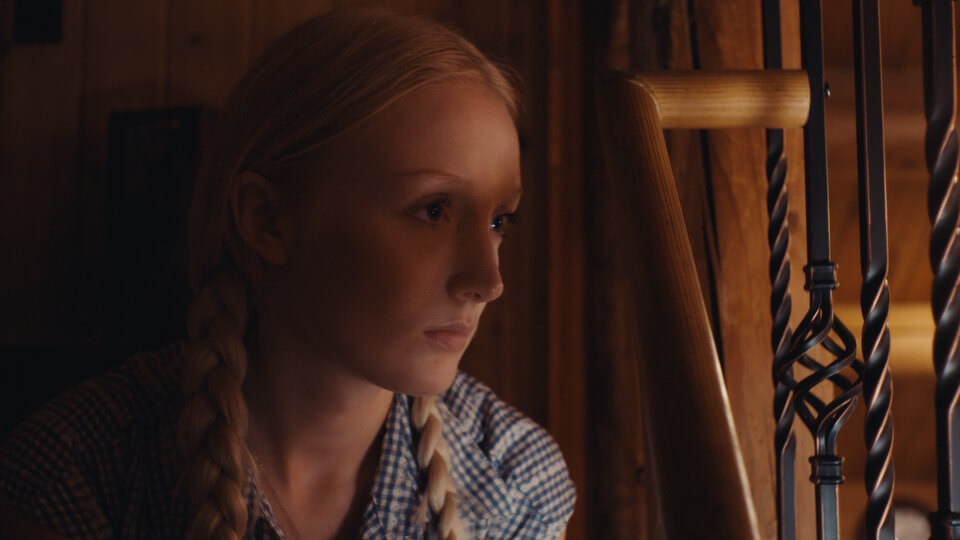
Sofi Dawalibi’s 16-minute Yellow Brick Road is helmed by its two capable actresses playing a jaded woman and her drifting teenage niece. Brought together by a need for guidance and direction, Alice’s stay at her aunt’s farm becomes a surprise opening for Bonnie to reflect on her own life.
It is a startling, unsettling thing to be unearthed and seen again; an experience that almost always manifests itself when confronted by the child’s gaze. Bonnie (Ellen Lanese) tries to marshal her farm hardened equanimity, she even embraces it when she can. “Did you like jail?” No, no one had thought to ask Bonnie that, and certainly never so lightly. The moment is almost liberating for Bonnie, who had immediately followed the offhand admission with a soft defence.
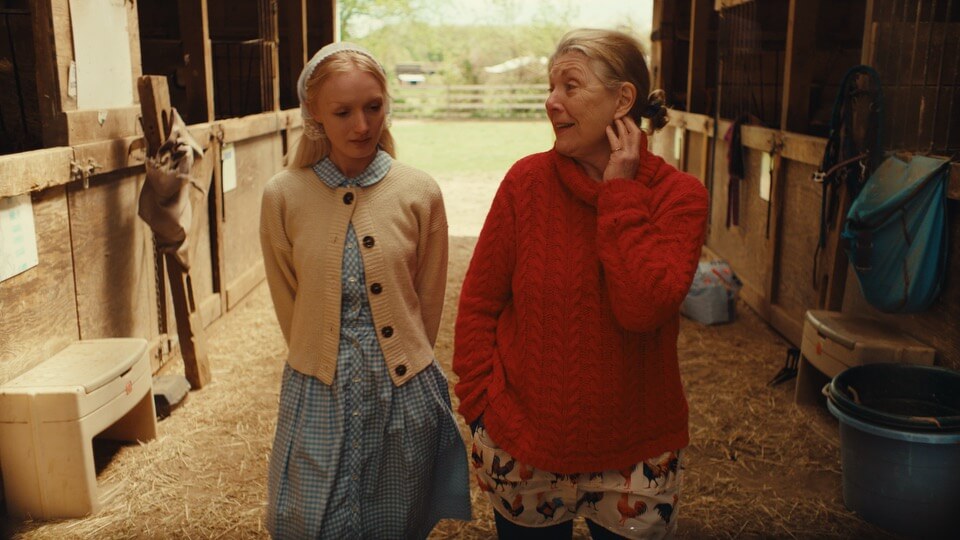
The location is preternaturally lush. Too green, too sunlit, too beautiful. Rather like the film that inspired the title of this one, and certainly, Alice (Amelia Bacon, pale and waifish like Mia Wasikowska) finds a utopia here. A complicated one, maybe, and not entirely without friction, but nonetheless a place where she can effortlessly envision a future. Yet when her mother sent Alice to live with her aunt, the farm was meant to be an endless purgatory to which any alternative would be preferable. Instead the quiet, withdrawn Alice (who gave up on becoming a nun because she would not be permitted to masturbate) finds her mirror in tough, solitary Bonnie who once bought copies of Playboy magazine.
Their relationship is obviously the heart of the film. Which also means that it builds towards the inevitable separation. Alice learns almost simultaneously to articulate what she wants and how to walk away from it. In the process of getting her there, Bonnie comes to reckon with the pillars of her ostensibly simple life. Of hard work she had no illusions, but in doing some articulation of her own, Bonnie acknowledges the maddening loneliness of her utopia. Bacon, working with silence, says as much and as earnestly as Lanese playing a laconic character impelled to speak. The climactic scene wipes away the veneer of uneventful domesticity using Lanese’s urgent, poignant performance.
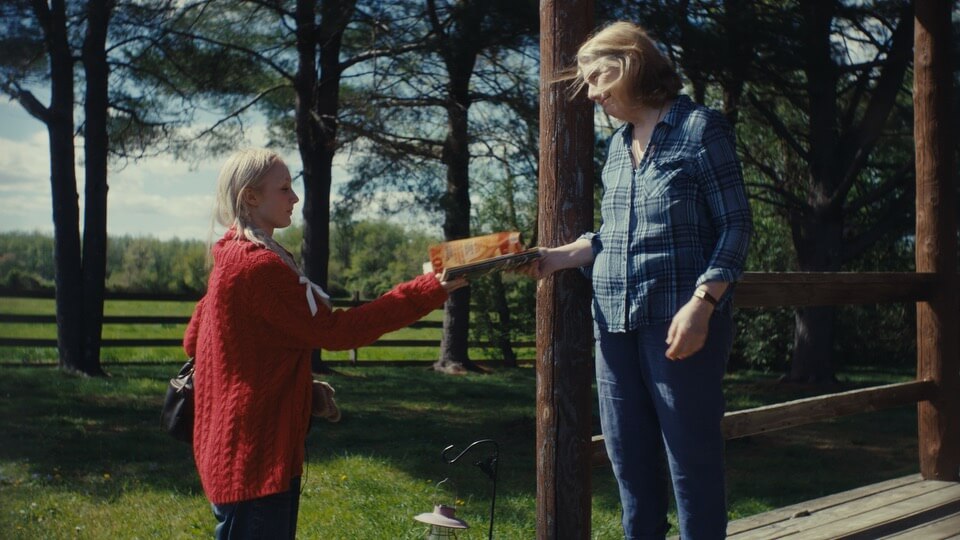
By the end, and despite expectations and hopes, the two have swapped places of intention and wish. Yet owing to who the characters are, the ripples of impact run deep, and they do not overflow into gesture. Yellow Brick Road sees home and adventure become an entangled entity for Alice-Dorothy. Perhaps she has seen the cart before the horse, perhaps she now knows which roads lead to home.
No comments yet.
Got Something to add to this article?
Your email address will not be published. Required fields are marked *