Article too long to read?
Hyten Davidson’s Side Saddle, a 10-minute drama about a woman grappling with the damages of new motherhood, works on the strength of its screenplay and benefits heavily from its lead performance. Over the course of its runtime, it uses a series of glimpses of crises both physical and emotional to build up to an awful moment of clarity. It’s the sort of thing you never want to be witnessed in.
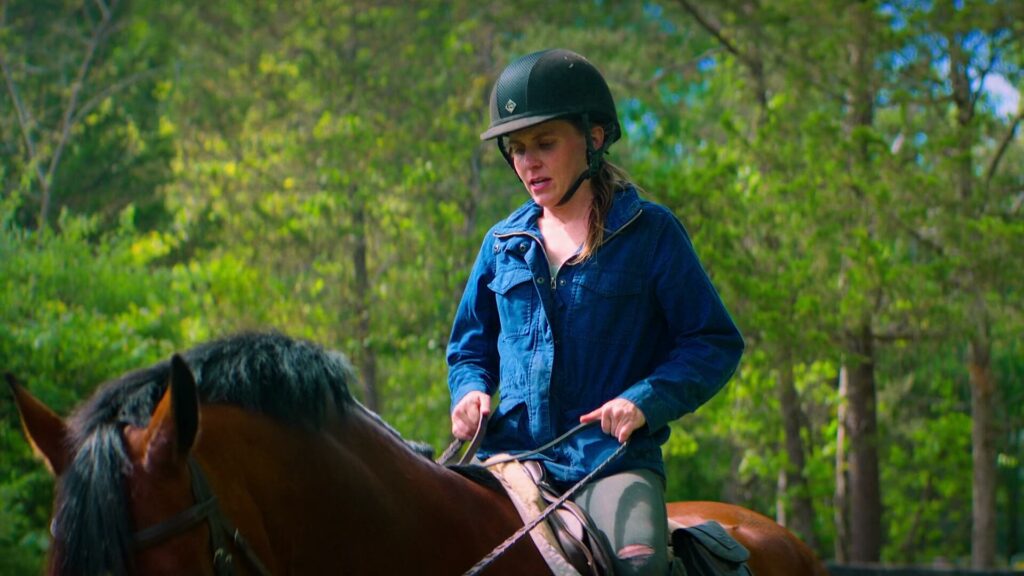
Jo (Davidson) may well want to urge her horse to run them away. This is what you think when the film walks through her new miserable normal. She has just had a baby (so fresh that she is still bleeding). Her husband, Danny (Christian Missonak) is just nice enough to avoid both the troubles of infant care and charges of not doing it. The first scene of her home life is, in fact, Jo repeatedly calling Danny’s name in a sickly, broken voice. In reply, snores.
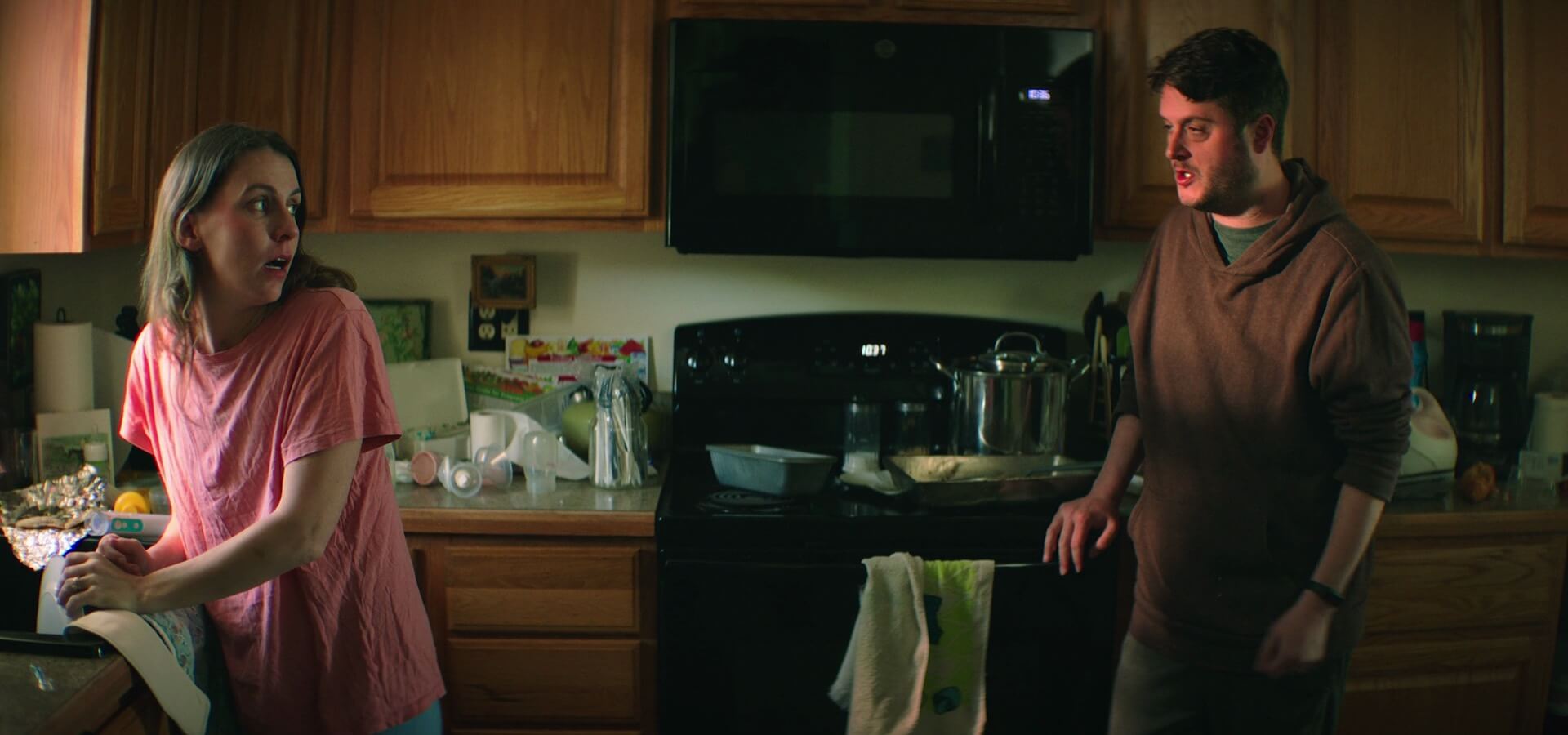
More such scenes follow. Danny is sober enough that he can point out her alcohol problem. Jo is so drained she cannot muster a halfway decent lie. Drowning in the cacophony of a disconnected adult and a despairing infant, Jo becomes a pitiful ghost in her own house. Something isolated, ignored, steeping in the sourness of curdling breast milk. The dimmed lighting is both the spark and the summit of the feeling the film builds: a stale, binding wretchedness that taunts you with the possibilities of extreme acts that you might commit in reaction to it. Davidson excels as actor. The frustration of an intensive recovery, the helplessness, the wave of new responsibilities are all apparent in her manner. Even without an audible groan, her posture alone screams pain.
She tries talking to her therapist (Ruth Kaufman), a jarringly cheerful woman and all the more emphasising Jo’s aloneness with her sunshiny bearing, who suggests a day of riding—Jo was a horseback rider before childbirth reconfigured everything to its tyrannical rhythm. And so, about midway into the runtime, the crescendo of her crisis begins its upward climb.
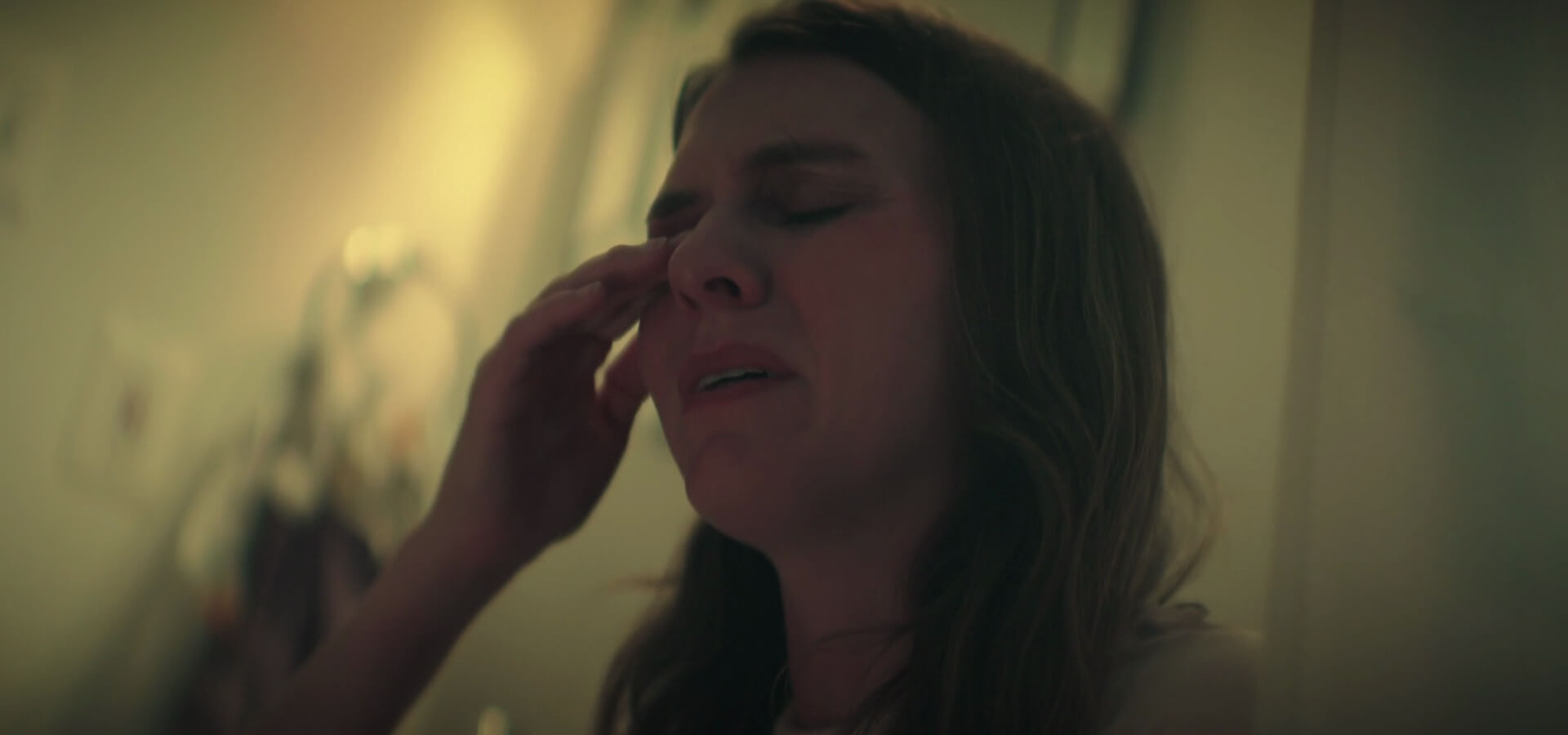
Though Side Saddle is not a horror, it leans into some of those flavours to bring out the ghastliness of childbirth and postpartum depression, especially when there is little help to cushion the worst of it. The screenplay hinges itself on the power of a fraught, unsettling climax built out of an episodic narrative. It aims to have Jo see herself at her lowest, and without the weight of a husband and infant allows her the room and capacity to renew herself. A worthwhile mix of horror and hope bolstered by its lead.
Watch Side Saddle Short Film Trailer
No comments yet.
Got Something to add to this article?
Your email address will not be published. Required fields are marked *