Article too long to read?
Joshua Gary and Tony Gary’s Temple is a meditation on the inexorable march of life towards its end. Premised on a man taking care of his old, widowed grandfather, the 24-minute film gives shape to the dread of loss through the threat of a cult. In the face of change that seems unstoppable, fighting for dignity is the last thing we have to offer others and ourselves.
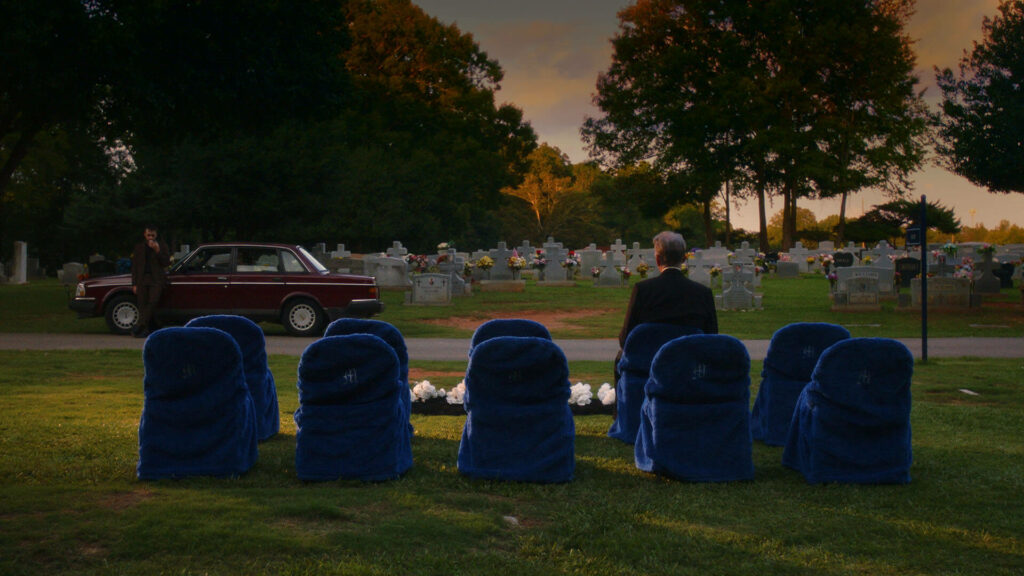
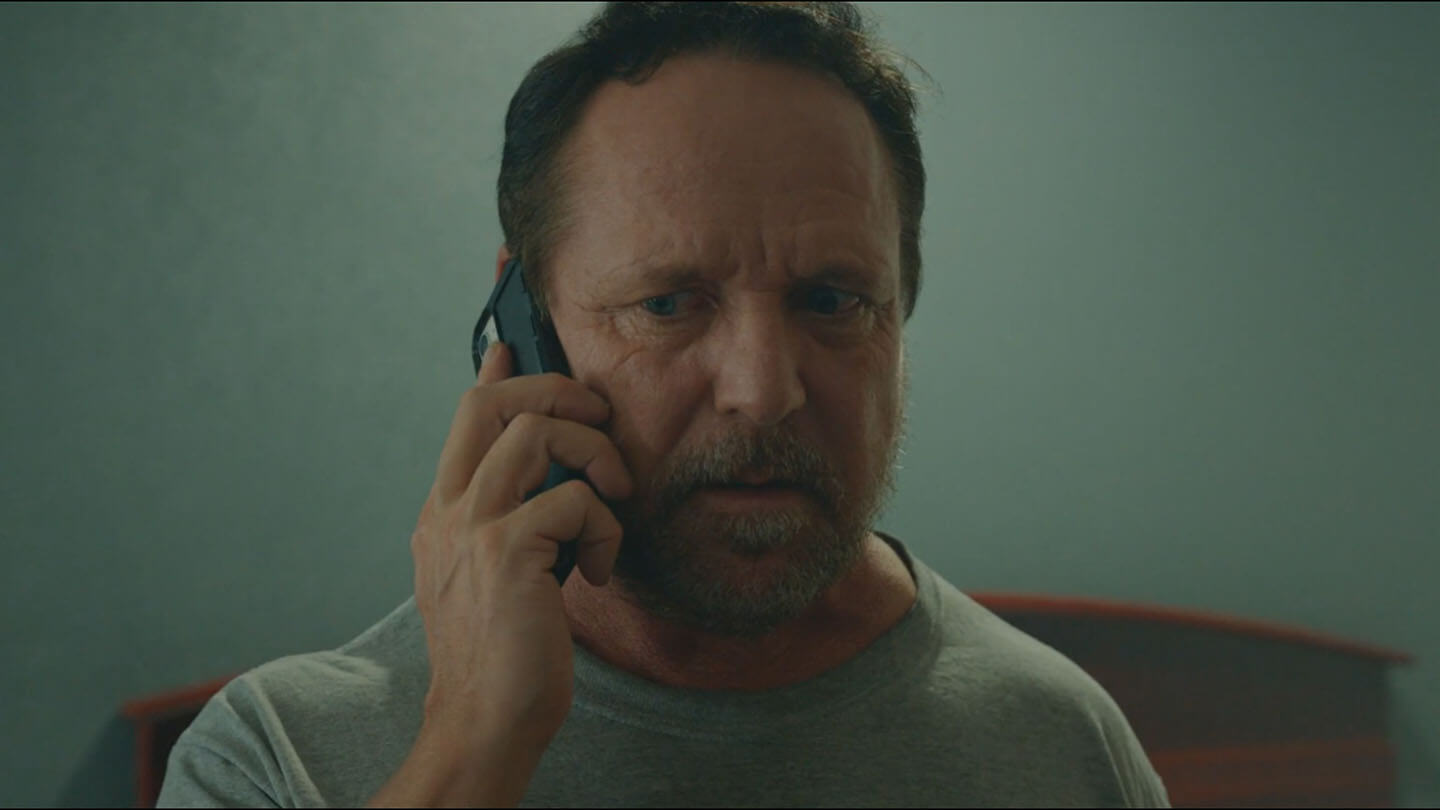
The dying light of the day shines on George Weaver (a deeply moving Rick Andosca). The flowers on his wife’s grave are fresh, gleaming. All he has left now is his grandson Jean (Michael Silberblatt, in equal measure tense and poignant), whose work now is to grieve a fading man. The reminder of mortality—of his family, of his own—puts him on edge. It gets worse the more his grandfather forgets, the stark evidence of essential limitations that leaves Jean a desperate custodian of all that falls away from George. Love will not be enough to save his grandfather. And this grief and fear pervades the very atmosphere.
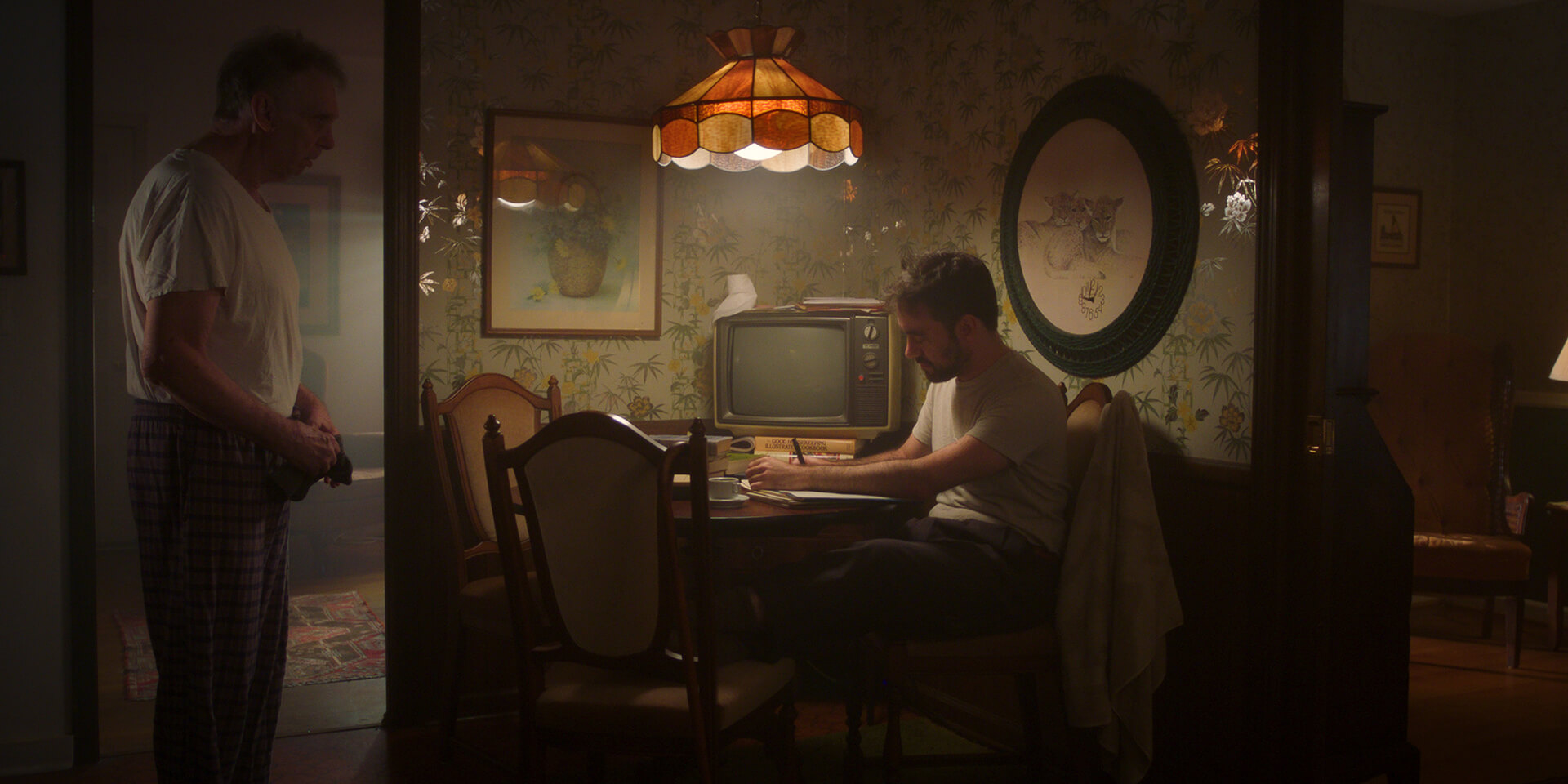
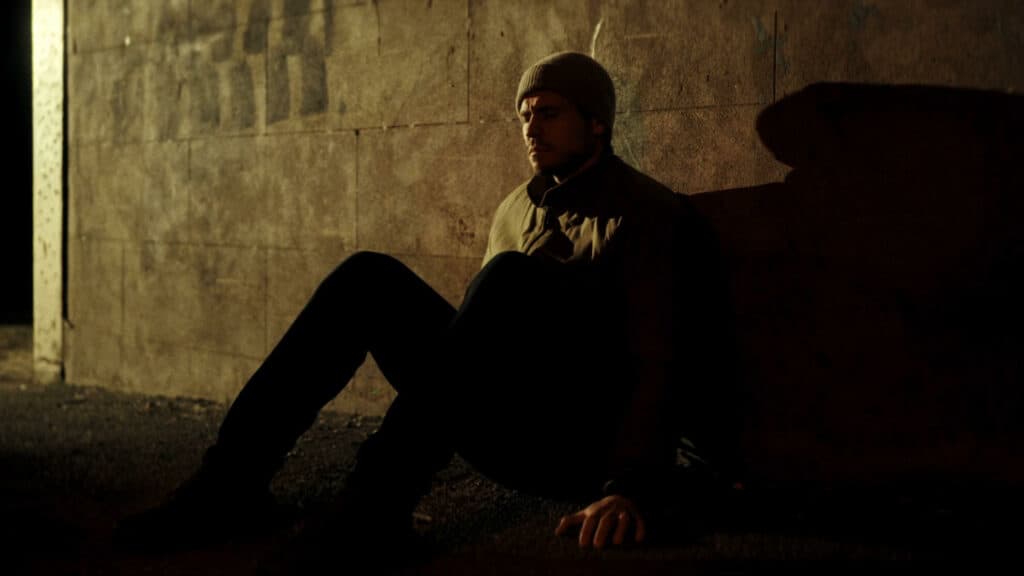
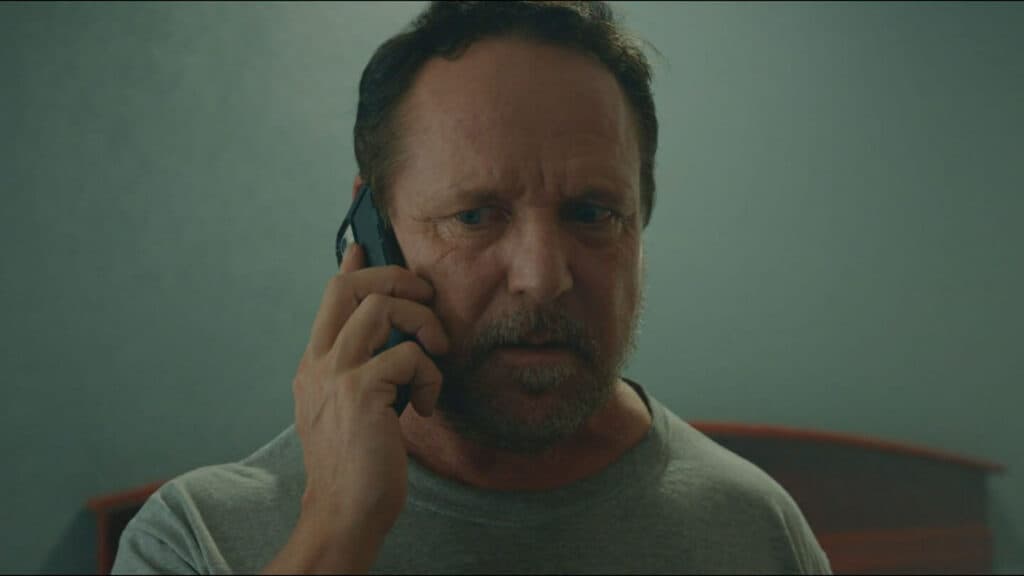
Temple is an uncommonly beautiful film to look at in the opening minutes when the lighting isolates George, a lonely man, the centre of Jean’s attention. The sense of isolation intensifies at home, cut off from natural light, tightly packed with furniture and an accumulated life. More interestingly, being set somewhere in the 80s—landline, CRT TV set and all—gives the film a particularly disconnected feel, eliciting a FOMO and the pandemic kind of dread, a time capsule without the warmth of nostalgia. Jean’s worry, George’s vulnerability, are both realised in the form of two men from a cult who have been preying on George for a while, now come to really sink in their teeth.
Michael Mau as the sly Elder Jensen and Joshua D. Safran as seemingly harmless Brother David. Their sweetness in the face of hostility could easily make Jean look like an asshole, and an unstable one at that, the victim and protagonist of many such films. But here the narrative aims elsewhere, and steers clear of that subterfuge. Instead of thrill, it offers us Jean’s indignation and helplessness, caught between respecting his grandfather’s wishes and preserving his dignity.
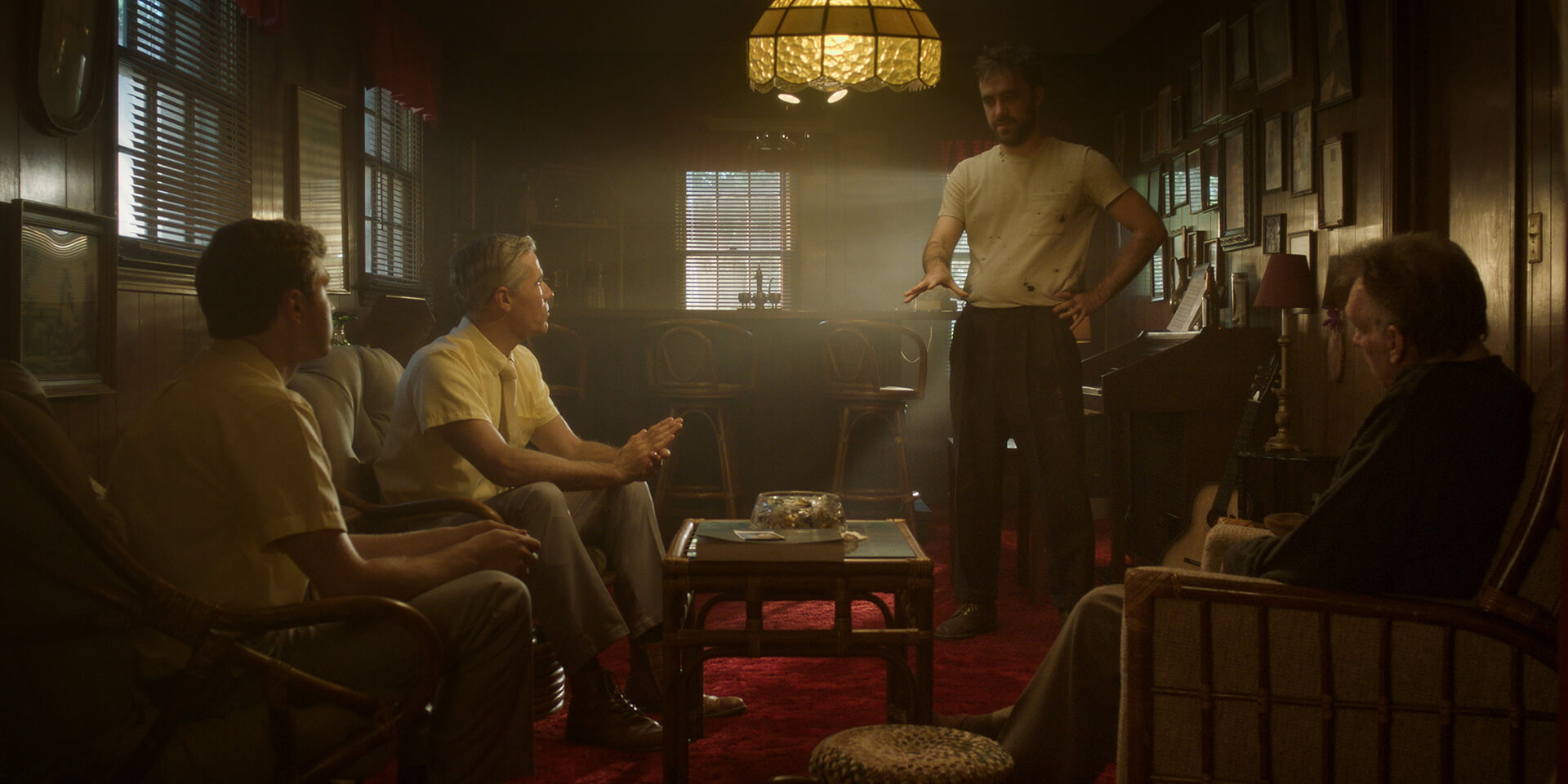
Whether this, a core crisis of parenthood, is worse when you are at the beginning of the abstract line or at its concrete end, is hard to fathom from the outside. But Temple honours the slow grief regardless, and in the process distils the truth that our families are our mirrors and the reflection is rarely flattering. We see that we possess the potential for the same flaws, the same fate is written for us, and like everyone before us, we will fail to save those we love. The small comforts do in fact come from those petty predators, from whom, if we are lucky, we may wrest a victory or two.
Watch Temple Short Film Trailer
About the Author

Related Posts
No comments yet.
Got Something to add to this article?
Your email address will not be published. Required fields are marked *