
Article too long to read?
Short films thrive on emotional storytelling because of their brevity. With limited time, every decision – script, visuals, sound – must focus on creating a strong emotional connection. The key is to center your film on one dominant emotion (like love, grief, or hope) and use techniques such as relatable characters, visual metaphors, and pacing to amplify impact.
For example:
- Themes: Universal emotions like loss or transformation resonate deeply.
- Conflict: Introduce internal or external struggles early to engage viewers.
- Visuals: Use framing, lighting, and colors to evoke feelings without dialogue.
- Sound: Subtle audio cues or silence can heighten emotional depth.
- Editing: Pacing and shot duration shape how emotions are experienced.
Short films succeed when they focus on a clear emotional thread, using every element to support it. Whether through quiet moments or dynamic visuals, the goal is to leave a lasting impression by connecting with the audience on a personal level.
Crafting Powerful Emotional Stories: Essential Scriptwriting Tips for Short Films
Core Components of Emotional Storytelling
Emotional storytelling relies on key elements that resonate deeply with audiences. These elements help filmmakers craft narratives that connect profoundly, even within the limited runtime of a short film.
Universal Emotional Themes
Some themes transcend cultural boundaries and personal differences because they touch on universal human experiences. Love, loss, grief, redemption, and transformation often serve as the backbone of impactful short films, as they strike chords familiar to viewers everywhere.
For instance, love in short films can unfold through the development of relationships. Filmmakers often show this growth visually – starting with isolated shots of characters and transitioning to shared, intimate frames like over-the-shoulder compositions. This subtle visual storytelling conveys emotional closeness without relying on heavy dialogue.
Themes like loss and grief also create immediate emotional stakes, which are particularly effective in short formats. Using distant camera angles or framing characters within doorways can visually communicate feelings of entrapment and loneliness. A poignant example is The School Bag, a Royal Stag Barrel Select Shorts production, which tells the story of a child’s love for their mother. Its emotionally charged simplicity leaves a lasting impression on viewers.
Stories that explore vulnerability and self-acceptance resonate on a personal level, often earning critical acclaim. These narratives tap into shared insecurities and the universal longing to be seen and valued. Similarly, tales of transformation, where characters turn personal challenges like anger or awkwardness into sources of strength, strike a chord with audiences who see their own journeys mirrored on screen.
Other themes, like optimism and resilience in adversity, showcase human strength in tough situations. Whether it’s finding independence during wartime or holding onto hope after a tragedy, these stories remind viewers of their own ability to persevere. Likewise, narratives about companionship and connection reflect the relationships we all cherish, deepening the audience’s emotional engagement.
The genius of these themes lies in their ability to invite viewers to project their own experiences onto the story. When audiences see their emotions reflected in a character’s journey, they feel a personal connection, regardless of their background. These themes also serve as a foundation for conflict, which heightens the emotional depth of storytelling.
Conflict and Resolution
Conflict is the driving force behind emotional storytelling, creating stakes and tension that captivate viewers.
In short films, conflict must be established quickly and clearly due to time constraints. Whether it’s an external challenge – like a physical obstacle or antagonist – or an internal struggle with fears, doubts, or past trauma, the central problem needs to surface within the first minute or two. This dual approach ensures both outward challenges and inner turmoil are immediately felt.
Internal conflicts often leave a stronger emotional imprint because they’re deeply relatable. A character wrestling with grief, guilt, or self-doubt mirrors struggles many viewers have faced themselves. For example, Chutney, another Royal Stag Barrel Select Shorts production, masterfully delves into complex human emotions using suspense and nuanced character development. The film illustrates how carefully chosen emotional conflicts can add depth to a short film’s narrative.
The resolution plays a pivotal role in shaping the audience’s emotional takeaway. A triumphant ending, where characters overcome their obstacles, fosters a sense of hope and satisfaction. On the other hand, an ambiguous conclusion leaves viewers reflecting on the story long after it ends. Tragic resolutions can also be impactful, providing a cathartic outlet for processing difficult emotions.
Unexpected twists can heighten emotional engagement by surprising the audience in ways that feel authentic to the story. These twists work best when they reveal deeper truths about characters or situations, making sense in hindsight without feeling forced. Ultimately, the resolution doesn’t have to wrap everything up neatly. Short films often benefit from open-ended conclusions, trusting viewers to interpret and fill in the emotional gaps themselves.
Creating Audience Connection
Building a connection with the audience in just a few minutes requires intentional storytelling choices. One of the most effective strategies is creating relatable characters whose desires, fears, and struggles echo those of the audience.
Relatability stems from authentic emotional experiences. Even if a character’s circumstances are extraordinary, their emotional reactions should feel genuine. Showcasing emotions through facial expressions, body language, and actions – rather than explicitly stating them – helps audiences connect on a deeper level.
The setting can also reflect a character’s inner world, adding emotional depth without overt exposition. For example, a scene of someone cleaning a dusty, empty room can subtly convey themes of loss and grief, as seen in Silent Nights. By letting the environment mirror a character’s emotional state, filmmakers create layers of meaning that resonate subconsciously.
Flashbacks are another powerful tool for adding emotional context and backstory without lengthy explanations. These glimpses into the past don’t need to rely on dialogue or dramatic montages to be effective. A brief flashback to happier times, such as an elderly man recalling moments with his late wife, can amplify the emotional weight of his current loneliness. This contrast deepens the audience’s understanding of the character’s present struggles.
Interior Café Night, a Royal Stag Barrel Select Shorts production, highlights the impact of silence and subtlety. Through pauses and fleeting glances, the film captures the emotional weight of a reunion, creating a universally relatable moment for anyone revisiting a lost connection. These quiet, understated moments often convey more emotion than dramatic dialogue.
Visual storytelling remains the most powerful tool for conveying emotion in short films. Instead of relying on characters to explain their feelings, filmmakers can use camera movement, framing, and symbolic objects to express emotions. Techniques like cinematography, lighting, and shot composition enhance the emotional impact far beyond what dialogue alone can achieve. While dialogue still has its place, it should complement the visuals rather than dominate them.
When audiences see their own emotions reflected in a character’s journey, they become emotionally invested. This investment turns passive viewers into active participants, carrying the story’s impact with them long after the credits roll. By making characters emotionally authentic and using settings to reinforce their inner worlds, filmmakers create short films that leave a lasting impression.
Writing an Emotional Script
The script is the heartbeat of your short film, shaping its emotional core and connecting with your audience. Unlike feature-length films, where multiple emotional threads can unfold over time, short films demand a razor-sharp focus. Every line, scene, and moment must work together to evoke a single, powerful emotion. Let’s explore how your script can anchor your film’s emotional impact.
Selecting Your Central Emotion
Your script should revolve around one dominant emotion. This singular focus creates clarity and ensures a stronger emotional punch within the tight runtime of 5 to 15 minutes. Whether it’s loneliness, joy, grief, or fear, every scene should reinforce this central feeling.
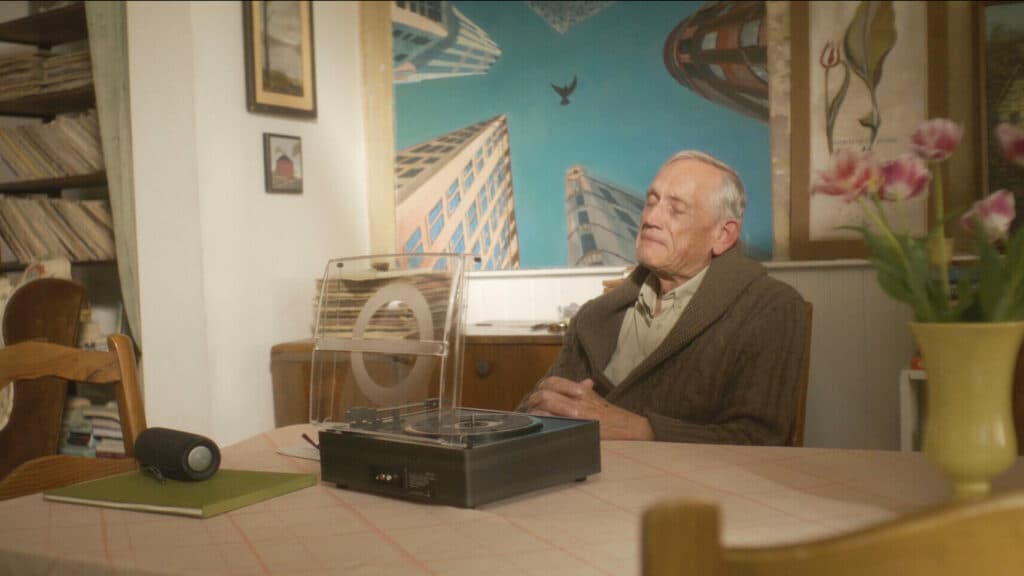
For example, imagine a short film about an elderly man coping with grief and Alzheimer’s. Instead of weaving in conflicting emotional threads, the story would focus entirely on themes of loneliness and loss. This approach not only keeps the narrative clear but also leaves a lasting impression on the viewer.
Before you even write the first scene, define your protagonist’s emotional journey. Where do they start, and where do they end up? Map out this transformation so your script can chart a clear path. Introduce the central emotion right from the opening scene, giving your audience an immediate sense of the story’s emotional terrain. This early focus sets the tone for characters and events that will carry the weight of your story.
Developing Characters with Depth
In a short film, there’s no time for lengthy backstories or drawn-out exposition. Every detail about your characters must serve the story and reveal their essence. Instead of telling the audience who your characters are, show it through their actions and choices.
For instance, rather than having a character say they feel lonely, you could depict them sitting in a cramped, empty apartment, framed in a way that emphasizes their isolation. These visual cues are more powerful and resonate deeply with the audience.
To make your characters relatable, understand their goals, obstacles, and motivations. This clarity helps viewers empathize with them and invest in their journey. Plant subtle emotional details early in the story – like a cherished object or a recurring behavior – that gain significance as the plot unfolds. If abandonment is a central theme, introduce it subtly at first and then build on it, leading to a payoff that feels earned rather than forced.
Pacing Emotional Moments
Timing is everything when it comes to delivering emotional impact. Your script should balance tension and relief, ensuring that emotional beats land naturally. Start by establishing the stakes early – within the first minute or two, your audience should know what’s at risk and why they should care.
Don’t overload the beginning with all the emotion or save it all for the climax. Instead, let the story breathe. Quieter moments can be just as powerful as intense ones when handled with care. For example, a hard cut from a high-tension scene to a quiet, reflective moment can amplify the emotional contrast.
Use flashbacks sparingly and keep dialogue minimal; sometimes, a lingering glance or a trembling hand can say more than words ever could. Plan where emotional peaks and valleys will occur, guiding your audience through a journey that feels natural and impactful. This thoughtful pacing ensures your film resonates without feeling overdone or manipulative.
Visual and Audio Techniques
Once you’ve established the emotional foundation of your story, it’s time to let your visuals and sound take the lead. These elements are more than just technical tools – they’re storytellers in their own right. Together, they create atmosphere, evoke unspoken emotions, and guide your audience through the emotional journey of your film. With the right combination of visual choices and sound design, even the simplest scene can leave a lasting impression.
Cinematography and Visual Symbols
The camera isn’t just a device – it’s an emotional lens. Every choice you make, from framing to movement, shapes how your audience connects with your story. For instance, if you’re depicting loneliness or grief, static, wide shots can make a character seem small and overwhelmed by their environment. Shooting through doorways or corridors – creating a "frame within a frame" – can visually suggest feelings of entrapment or isolation. As the character’s emotions shift, moving closer with wider lenses can intensify their inner turmoil, pulling viewers deeper into their world.
When it comes to fear or anxiety, handheld shots can heighten vulnerability. Imagine following a character down a dimly lit hallway, the unsteady camera mirroring their unease. Or use slow pans into darkness to hint at unseen threats lurking just out of view. For love and connection, start with clean, separate shots of each character, then transition to over-the-shoulder angles or tighter framing as their relationship grows. Even subtle lens movements, like a shifting focus, can reflect a fractured mental state. By contrasting static shots of a character’s present with dynamic, handheld glimpses of their vibrant past, you can highlight emotional transformation in a powerful way.
Lighting and color grading also play a crucial role in setting the mood. Warm tones with soft, diffused lighting can evoke nostalgia or the tenderness of a cherished memory, especially in flashbacks. On the other hand, cool tones and harsher lighting can amplify feelings of loneliness or despair, adding visual tension to your scenes.
Sound Design and Music
Sound design and music are just as vital as the visuals when it comes to storytelling. Sometimes, silence or subtle ambient sounds can speak louder than a sweeping musical score. The hum of distant traffic, the echo of footsteps in an empty hallway, or the ticking of a clock can add layers to a scene, enhancing emotions like solitude or unease. When using music, let it support the emotional rhythm of the story without overpowering the dialogue or imagery. Sparse, minimalist soundscapes can be just as effective as lush, layered compositions, especially when capturing moments of internal conflict. Silence, when used thoughtfully, creates intimacy and allows the audience to focus on the finer emotional details.
The relationship between sound and visuals should feel organic. In quieter, more solitary scenes, resist the urge to fill every moment with music. Let the absence of sound create space for reflection. When emotions reach their peak, a carefully timed musical cue can magnify the impact. The restraint you show in earlier moments will make these climactic beats even more powerful.
Using Restraint and Quiet Moments
Sometimes, the most powerful moments are the ones you leave unsaid or unseen. Restraint invites your audience to engage with the story on a personal level, filling in the emotional gaps with their own experiences. Techniques like slow pans, extended static shots, or gradual focus shifts give viewers the time to absorb the emotional weight of a scene. For instance, lingering on a character as they process life-changing news can create a raw, authentic moment that words might struggle to convey.
Instead of relying on dialogue to explain feelings, consider how you can "show" rather than "tell." Camera movement, framing, and symbolic positioning can often communicate emotions more effectively than words. Pacing is also key – especially in short films, where every second matters. By carefully timing your visual and emotional beats, you can turn brief moments into unforgettable experiences that stick with your audience long after the credits roll.
sbb-itb-376fc17
Production Steps for Emotional Storytelling
The production process transforms your planning into tangible, emotional scenes. Building on earlier insights about scripts and visual strategies, this stage is where every on-set and editing decision directly influences how your audience feels. From storyboarding emotional beats to guiding actors through their most vulnerable moments, the production phase demands precise collaboration across all departments. Let’s dive into how to map out these emotional arcs effectively.
Storyboarding Emotional Arcs
Storyboarding in emotional storytelling isn’t just about camera angles – it’s about visually mapping the emotional journey of your characters. Each scene should contribute to building, sustaining, or resolving emotional tension. To achieve this, annotate your storyboard frames with details about the character’s emotional state and planned camera movements. For example, static shots can emphasize calm or tension, while handheld shots might better convey chaos or unease. If a character feels disoriented, experimenting with selective focus shifts – like panning the lens instead of moving the camera – can visually echo their inner turmoil.
Creating mood boards or reference images for major emotional beats can unify your team’s vision. These tools help everyone, from the cinematographer to the production designer, understand the emotional tone you’re aiming for. For instance, warm tones might evoke nostalgia in a flashback, while cooler tones can heighten feelings of sadness. Establishing this visual language during pre-production ensures emotional consistency throughout your film.
Directing Actors for Authentic Emotion
Drawing genuine, heartfelt performances from actors requires trust, preparation, and a supportive environment. Subtle expressions often carry more weight than exaggerated ones, so your role as a director is to create a space where actors feel safe enough to explore their characters’ vulnerabilities.
Before tackling emotionally charged scenes, spend time privately discussing the character’s inner world with your actors. Talk about their motivations and what personal memories or experiences might inform their performance. Grounding their portrayals in relatable emotions rather than abstract ideas often leads to more authentic results.
During filming, encourage restraint. A fleeting glance, a pause, or a small gesture can convey more than loud outbursts. For instance, in a grief-filled scene, an actor might focus on touching an object tied to a memory or avoid eye contact when questioned. These understated choices often feel more genuine and relatable.
Blocking – the positioning and movement of actors – also plays a key role in emotional storytelling. Characters in conflict might be placed at opposite ends of the frame, while growing intimacy can be reflected by reducing the physical distance between them. Stay open to improvisation; sometimes, the most powerful moments come from actors responding instinctively to the scene. Regularly review footage with your cinematographer to ensure the intended emotions are visually clear, and adjust performances, camera angles, or pacing as needed. Once you’ve captured these raw, authentic moments, the editing phase will refine them into a cohesive emotional narrative.
Editing for Emotional Effect
Editing is where the emotional heart of your story truly takes shape. Choices around shot duration, transitions, and pacing can amplify – or diminish – the emotional impact of your film. Even the most beautifully shot scenes can fall flat without thoughtful editing, while a carefully crafted edit can bring unexpected depth.
The length of a shot can make or break its emotional resonance. Holding a character’s face just a second longer than expected can deepen the scene’s weight, giving viewers time to process subtle expressions. On the other hand, quick cuts can heighten tension or anxiety, keeping the audience on edge. When piecing your film together, resist the urge to rush – let moments breathe, especially when characters are experiencing profound emotions.
Transitions also play a key role in shaping the emotional flow. Abrupt cuts can jolt viewers into a new state, while dissolves or fades help smooth the transition between emotional beats. Shot selection matters too – lingering on a character’s nuanced expression instead of cutting to dialogue can highlight their internal conflict, making it especially effective in moments of hidden or complex emotions.
Pacing is equally crucial. Knowing when to build tension and when to let a scene exhale is essential, particularly in a short film where every second counts. Preserve moments of silence or stillness captured on set, and avoid overloading these spaces with music or sound effects. Quiet moments allow viewers to connect with the unfolding emotion on a personal level.
After assembling a rough cut, step back and review it with fresh eyes or share it with a small test audience. Pay attention to whether key moments evoke the intended reactions. Do viewers lean in during quiet, introspective scenes? Do emotional peaks feel rushed? Use this feedback to refine your timing and shot choices. Trust your instincts, and don’t hesitate to cut technically impressive scenes if they don’t serve the emotional arc. Every frame should contribute to the emotional journey – anything else is just noise.
Testing and Improving Your Emotional Story
Once your film is assembled, it’s time to test its emotional impact. No matter how carefully you’ve pieced together each scene, you can’t truly gauge its emotional success until real people experience it. Testing allows you to uncover blind spots, confirm what works, and refine your story before the final release. This phase sharpens the emotional techniques developed during production and editing, ensuring a tighter, more impactful narrative.
Getting Audience Feedback
Test screenings turn your assumptions about emotional resonance into measurable insights. Instead of guessing whether a scene connects, you’ll hear directly from viewers about what moved them and what missed the mark.
To get the most out of these screenings, structure feedback sessions with specific questions like:
- "Which scene affected you most emotionally, and why?"
- "At what point did you feel most connected to the character?"
These focused questions encourage viewers to pinpoint exact moments rather than offering vague opinions. Use a mix of written questionnaires and interviews to gather diverse perspectives. Questionnaires often yield more honest responses, as they’re completed without group influence, while group discussions can spark valuable conversations about emotional pacing and character development. One-on-one interviews allow you to dive deeper into individual reactions.
Pay attention to viewers’ physical responses during key scenes – laughter, tears, or visible tension can reveal what’s working. Note specific timestamps to identify which shots, dialogue, or music cues elicit reactions. This approach transforms subjective opinions into actionable data.
It’s also essential to go beyond friends and family for your test audience. Include people who represent your target demographic but have no personal connection to the project. Their fresh perspective can reveal whether your storytelling resonates with first-time viewers. Look for consistent patterns in feedback across different groups – if diverse viewers point out the same emotional disconnect, it’s likely a genuine issue that needs addressing.
Adjusting Emotional Moments
Feedback provides a roadmap for refining your film. However, not all critiques demand changes. The key is distinguishing between personal preferences and genuine storytelling issues. For example, if multiple viewers say a character’s motivation feels unclear or a plot twist seems unearned, it’s a sign that revisions are needed. But if one person dislikes a scene that others praise, it may simply reflect individual taste.
Be cautious about dismissing feedback too quickly. Comments tied to personal genre preferences (e.g., "I don’t like sad endings") or from viewers outside your target audience may not align with your artistic intent. Still, when feedback highlights a consistent issue, it’s worth exploring revisions.
One common area for improvement is dialogue. If test audiences feel disconnected during emotional scenes, it might be because characters are stating their feelings too explicitly. For instance, lines like "I’m so sad about this" can feel forced. Instead, focus on showing emotions through actions, pauses, or subtext – what’s left unsaid often speaks volumes. Natural dialogue, with its hesitations and imperfections, resonates more deeply.
If feedback suggests a scene feels overly dramatic, excessive dialogue could be the culprit. Strip away unnecessary lines and let visuals carry the emotion. Also, ensure dialogue matches the character’s state of mind – a person in shock, for example, might speak in short, fragmented sentences.
Comparative testing can also help refine emotional moments. Show audiences different versions of a scene and ask targeted questions like:
- "Which version made you feel more connected to the character?"
- "Which version built more tension?"
This method is especially useful for assessing music, pacing, color grading, and performances. When adjusting pacing, consider whether viewers felt emotional highs were rushed or quiet moments dragged. Sometimes, holding a shot for just a few extra seconds lets the emotion fully land, while trimming another by a few seconds can maintain momentum.
Maintaining Emotional Truth
Balancing audience feedback with your artistic vision is crucial. Ask yourself: "Does this feedback help me communicate my intended emotion more effectively, or is it pushing me toward a different story?" If viewers consistently say your film’s core emotion – whether sadness, joy, or tension – feels unconvincing, it’s worth revisiting. But if feedback suggests changing the tone entirely, like turning a tragedy into a comedy, it may conflict with your vision.
Authentic storytelling doesn’t have to appeal to everyone. Your goal is to ensure the emotions you present feel genuine and earned within your narrative. Avoid overused tropes that come across as manipulative – audiences connect more with flawed, complex characters than with overly polished ones. If viewers say they felt emotionally "manipulated" rather than moved, it’s a sign to reassess whether your story relies on clichés instead of authentic character development.
Writing emotionally resonant stories is an iterative process. Feedback, revisions, and rewrites are your tools for shaping a stronger narrative. Treat each round of feedback as an opportunity to get closer to the emotional truth you’re striving to convey.
Ultimately, trust your instincts. If a suggested change strengthens your emotional message, embrace it. But if it compromises the core experience you’re creating, stand firm. Your aim isn’t to please everyone – it’s to craft an emotional journey that feels honest, earned, and true to your vision.
Conclusion
Crafting emotional storytelling in short films is all about making deliberate choices throughout the production process. Every element – camera work, lighting, sound, and editing – acts as a tool to evoke emotion, coming together to strengthen the narrative in a way that lingers with the audience long after the credits fade.
Short films have a unique ability to quickly captivate viewers and deliver powerful emotional experiences. Their brevity, combined with universal themes like love, loss, and self-discovery, makes them a perfect medium for exploring the complexities of human emotion. However, this format demands precision. Every frame, line of dialogue, and sound must serve a purpose.
Focus on a singular emotional thread to keep your story clear and impactful. Whether you’re aiming to convey heartbreak, joy, or suspense, establish that emotional connection from the very beginning. Visual storytelling often carries more weight than dialogue – after all, a single image can communicate what words cannot. Silence and subtlety are powerful tools; sometimes, what remains unsaid can evoke the deepest emotions. To achieve this, your technical elements – cinematography, color grading, and sound design – should work in harmony with the emotional tone of your story, enhancing it rather than distracting from it. Thoughtful camera movements, deliberate framing, and purposeful composition can express complex emotions without a single word.
Refining your emotional narrative takes practice and a willingness to revise. Use vivid imagery to heighten the emotional impact, and seek constructive feedback throughout the creative process. Each revision is an opportunity to get closer to the emotional truth you’re aiming to convey.
A well-structured script is essential to maintaining clarity and emotional focus. The goal isn’t to appeal to everyone but to create an emotional journey that feels genuine and true to your vision. By prioritizing quality over quantity and making intentional creative decisions in your script, performances, and cinematography, you can amplify the emotional depth of your work.
Engaging with platforms like Indie Shorts Mag (https://indieshortsmag.com) can also help you refine your craft. These communities offer opportunities to share your work, receive feedback from fellow filmmakers, and learn from others’ approaches to emotional storytelling.
Ultimately, create stories that connect by staying true to a clear emotional objective. Trust your instincts, and let every creative choice serve that emotional truth. When technical skill and emotional authenticity come together, your film can leave a lasting impression.
FAQs
How can I use visual storytelling to evoke emotions in my short film without relying too much on dialogue?
To bring emotions to life in your short film, focus on visual storytelling techniques like cinematography, body language, and setting. Close-up shots work wonders for capturing those subtle facial expressions that speak volumes. Pair this with carefully chosen lighting and color palettes to mirror the mood of your story. For example, warm tones might evoke feelings of comfort or nostalgia, while cooler tones can create an atmosphere of sadness or tension.
Don’t overlook the power of symbolism and visual metaphors. A single, well-placed object or action can carry profound emotional weight when framed thoughtfully. Enhance these visuals with a compelling score or sound design to heighten the emotional impact without relying heavily on dialogue. By focusing on "showing" rather than "telling", you can draw your audience into a deeply immersive and emotionally charged experience.
How can I create relatable characters in a short film with limited screen time?
To craft characters that resonate within a short film’s brief runtime, hone in on distinct, defining traits that make them stand out and feel genuine. Quickly establish their goals, challenges, and motivations through sharp dialogue, purposeful actions, or effective visual cues.
The golden rule? Show, don’t tell. Let subtle expressions, gestures, or interactions convey their personality and emotions. By anchoring your characters in universal feelings like love, fear, or hope, you can create an instant connection with the audience, even in a condensed format.
How can I choose the main emotion for my short film to connect with the audience effectively?
To pinpoint the main emotion for your short film, begin by defining the core message or theme you want to express. What do you want your audience to feel as the credits roll – joy, sadness, hope, or maybe fear? This emotional focus will serve as the backbone of your story.
Think about your target audience and their experiences. What emotions are likely to strike a chord with them? Build your characters, dialogue, and visuals around this emotional core to make it more impactful. Above all, stay true to the emotion – audiences connect most when the feelings portrayed feel honest and relatable.
Related Blog Posts


About the Author

Related Posts


No comments yet.
Got Something to add to this article?
Your email address will not be published. Required fields are marked *