
Article too long to read?
Gigi Ribeiro’s Climb the Ladder is a stylish, curious amalgam of popular culture and discourse. Set in a dystopian society where the rich and the poor are segregated, a ticket needed to enter the world of the former, it follows one evening in the life of a poor hopeful as her past and her potential future assail her with varying degrees of malignancy.
Our waif of a heroine, Jane Atlas (a self-possessed Wendy Maitlen) inhabits a lovechild world of The Hunger Games and Victorian England. Jane is thoughtful, generous, the weight of the world bowing down her shoulders; its demands pull her attention in several directions, though for the night only one can be given priority.
She is one of a handful of candidates in the contest that will determine who among them will be allowed to live among the wealthy (the first word out of a contestant, played by Dennis Mullikin, on stage is, “Mockingbird.”). The set and lighting create an auditorium and audience so gloomy, one wonders how decrepit the poor quarters must be to make anyone aspire to live among these people. There is a cheerless air to them, as though devoid of oxygen, ready to snuff out every attempt at life. The obnoxious Caesar Flickerman equivalent (David Cagan) is Dickensian in his complete absence of charm, his vulgarity aimed at the audience, and sparked by the audience at that. The show awaiting them is far from the spectacles of Panem, whose circuses followed the logic of dressing up cruelty as flurries of entertainment. Here, poverty is the spectacle. The worse off a contestant, the more entertained their judges.
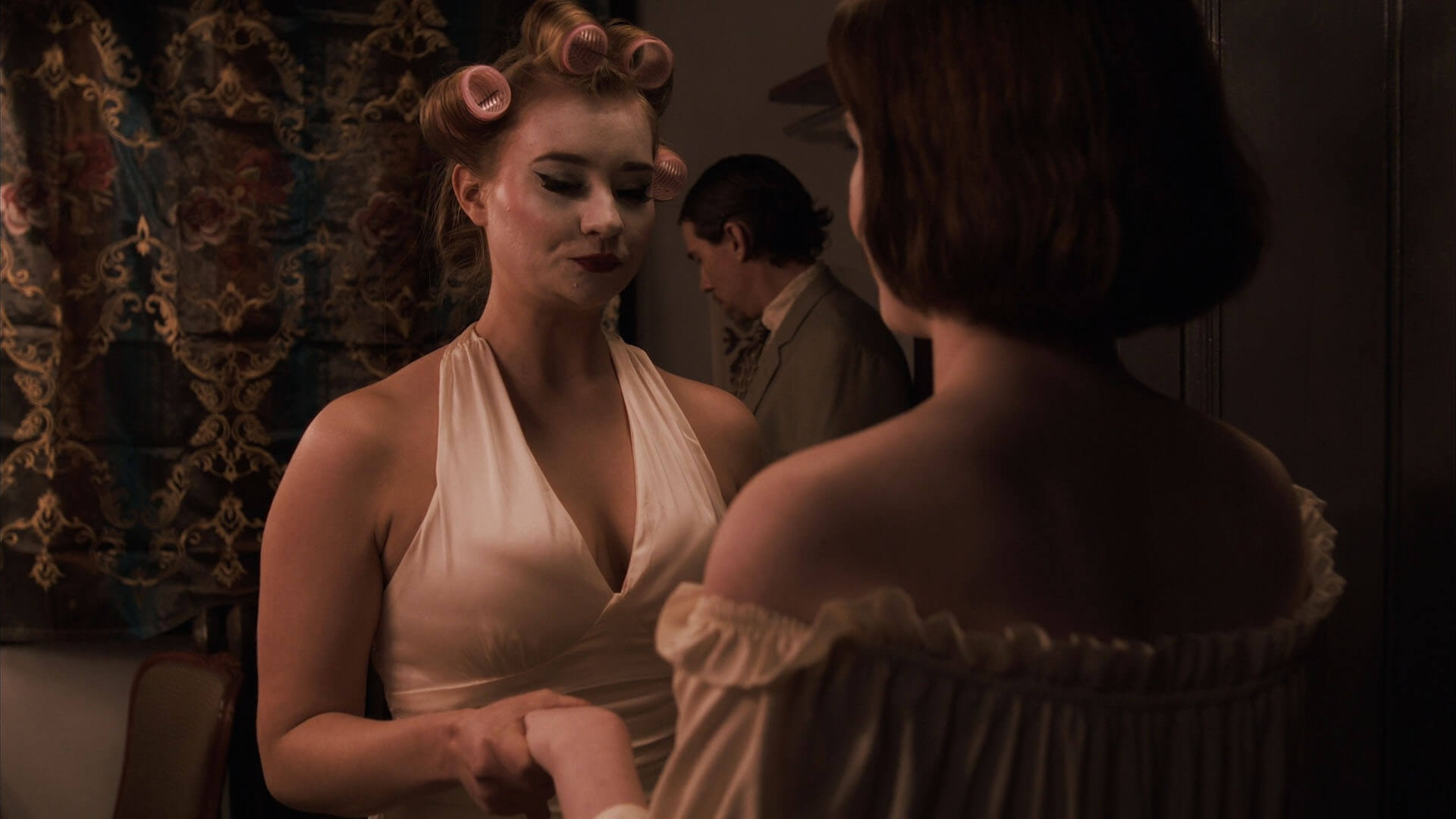
Backstage, Jane’s old frenemy, Samantha (mean girl perfection Katherine Lunam) reappears in her life as, unsurprisingly, her rival. While the orchestral score mocks the claustrophobic visuals, Samantha does her best to squash the competition before matters ever move to the stage. And yet, despite the odious nature, casual cruelty, routine spite, Samantha manages just one moment of common ground with Jane. This grace will not save anyone.
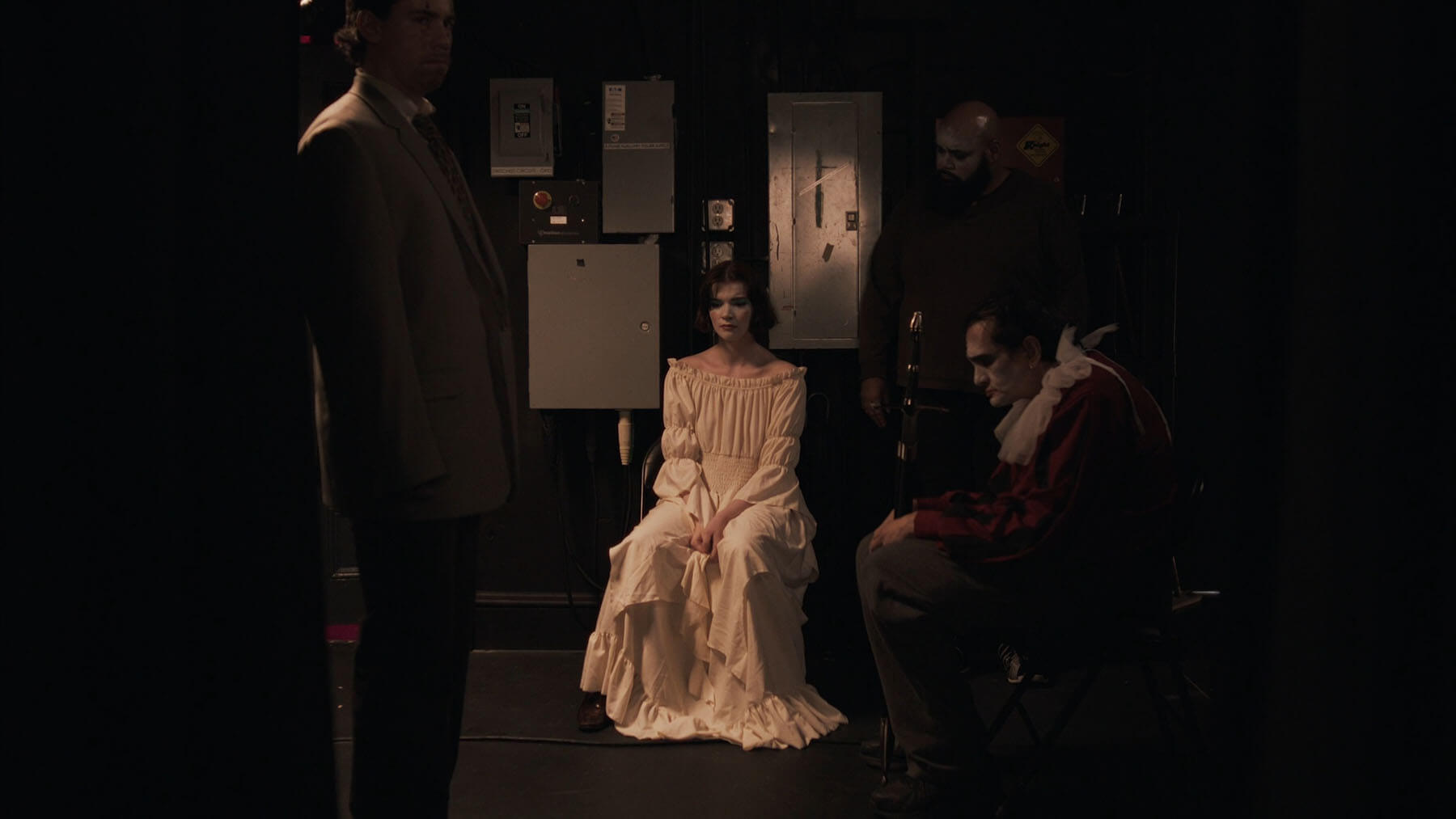
The climax will land its bleak leap. The film’s flatly biting view of the world will hit with blunt force and there will be no heroes to bring home the triumphant catharsis. In fact, that last idea will be mocked, because at least some fault has always been the appetite for narrative closure, the capitulation to myths of saviours, the cannibalism while we wait for their arrival.
The spotlight will be blinding, and the stain of foolishness indelible.

About the Author

No comments yet.
Got Something to add to this article?
Your email address will not be published. Required fields are marked *