
Article too long to read?
Sam Iwata aka Liu’s Melodies of The Abyss is a speculative psychological thriller about the final night of Kurt Cobain’s life. Grabbing onto the idea of instability, the film swells to surrealist crescendoes in between repeated returns to the night of April 5 as the culmination of all missteps and regrets.
The centre of all that? A heavy-handed portrayal of Courtney Love (Conney Louve, played by a thorough Kym Jackson) as Lucy Morningstar. As Kurt (Andrew Steel as adult Kurt D. Cobryn and Finnian James as the teenager in flashbacks) reckons with his history, Conney’s foil emerges in the sweet as honey Daisy Morgan (Teagan Skye, the most grounded performance in the film).
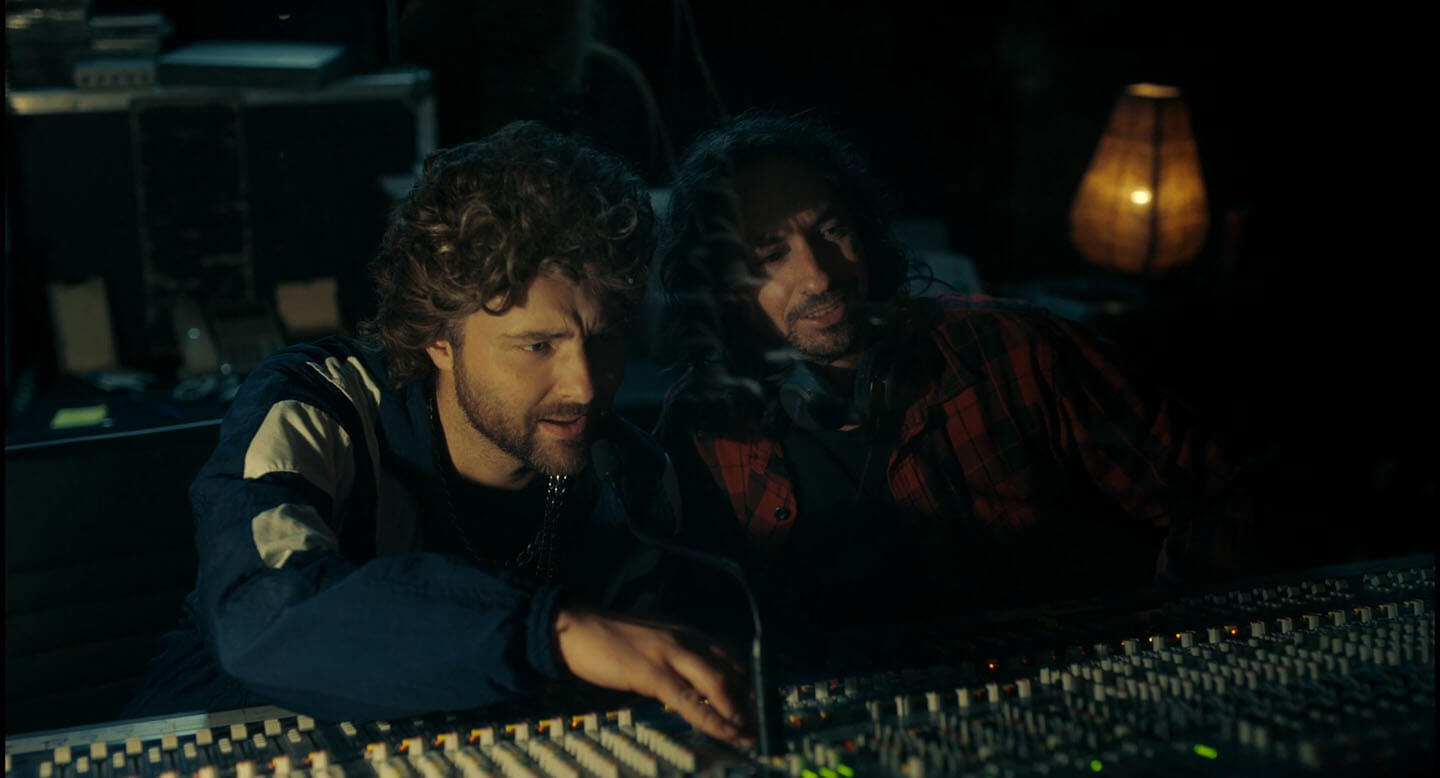
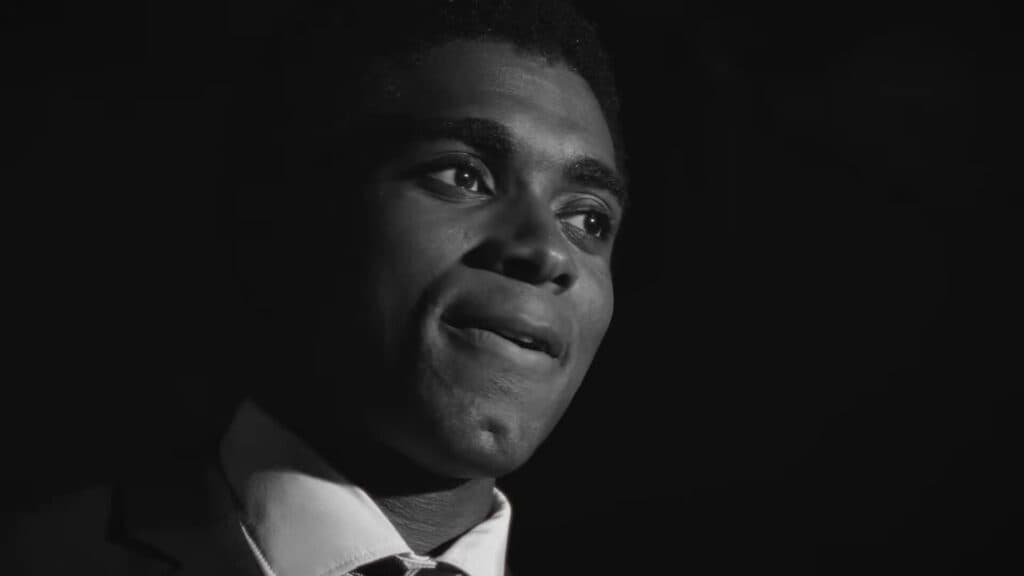
Chronologically, the story starts with seventeen year-old Kurt at odds with the world and the underworld both. He is seriously considering the lucrative offer from the mysterious, alluring woman—Conney, dangling the quintessential Faustian deal before him. In 1994, Kurt has made the trip from LA to his home in Seattle, yet to realise that this is going to be his last night. Both the costume and production design departments have pulled their weight. The shotgun, the heroin kit, even the sneakers’ colour look right out of archival evidence.
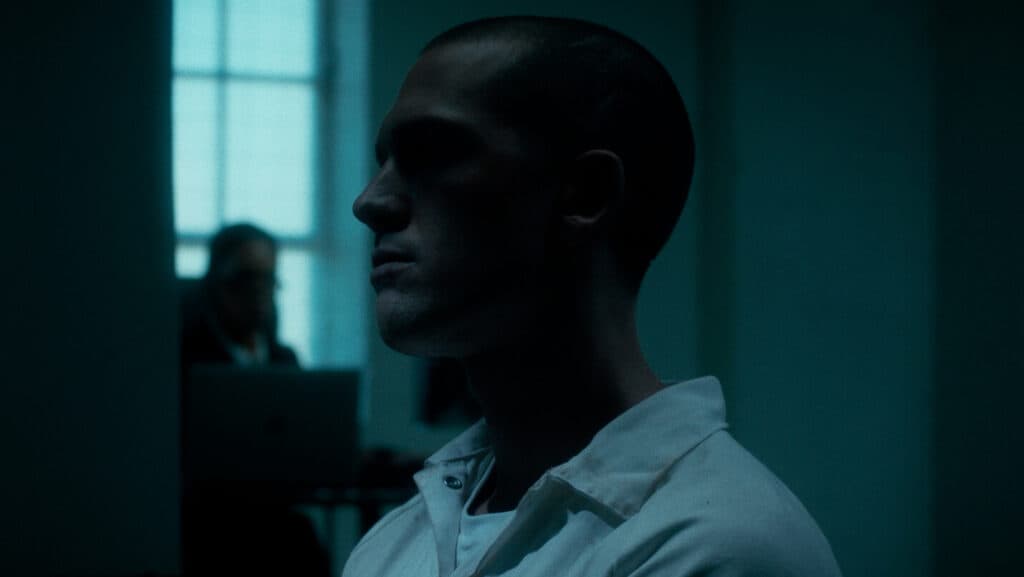
Soon, Conney (as voice on the phone and face in the family photo) and Lucy (looking equally luscious and capricious) merge into one. The chickens have come home to roost, and this time Kurt—mega success owed to the immortal, omnipresent Lucy—is faced with a debtor who will not be satisfied with a few punches and ominous threats.
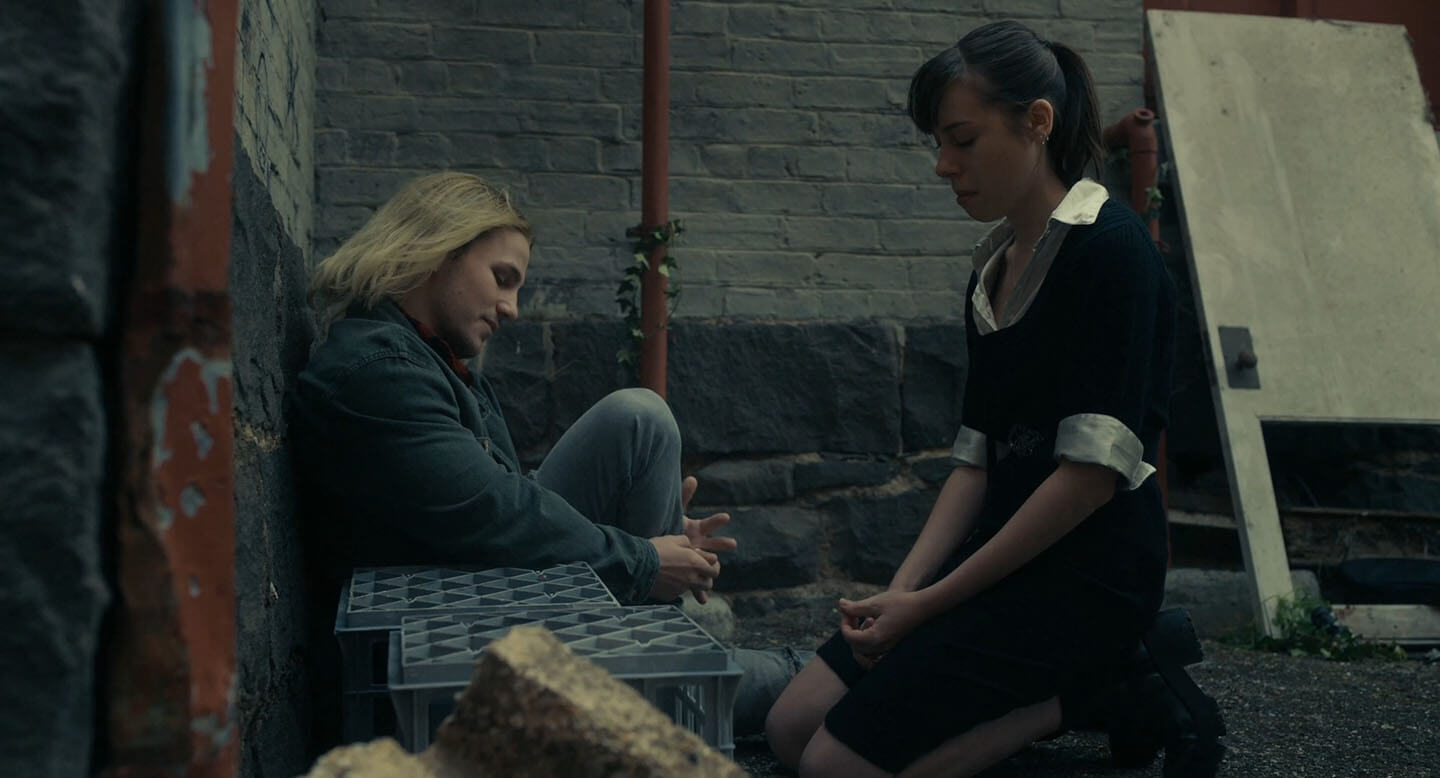
By now Kurt is out of spark of either rage or hope. There is only despair, and terrible last resorts available to him. On the other hand, Lucy burns ever more brightly, what with the prospect of collecting debt on the horizon. Jackson benefits the most from the lighting design as a supernatural being, her mercurial changes sometimes casting her in deep shadows, and sometimes holding her in the brilliant glow of intense desire. The further the plot progresses, the more the stage belongs to her. Which is fitting for a devil who feeds on disorder. But even gluttony can get old, and even the devil has a narrative arc.
Melodies of The Abyss puts its twists and turns not in the climax but in the journey leading up to that point. Kurt’s monsters are rolled into one neat, easily spotted package, a point to refer to every time some event or action needs explaining. It makes for an entertaining thriller precisely because it knows the function of its genre: to unburden from the viewer the demands of mundane life. And what’s more, bringing them to the ultimate relief, narrative closure.
Watch Melodies of the Abyss Short Film Trailer


About the Author

Related Posts

Comments (2)

Sam Iwata aka LIU
Audiences often assume Kurt is the main character of Melodies of the Abyss. His despair, his regret, is the first thing they encounter, and it feels natural to see the film through his eyes. But that assumption misses the deeper design. Kurt and Lucy are not protagonist and supporting role — they are dual main characters, two flames burning in different colors, each necessary to the other.
The story begins with Kurt’s regret. He embodies the weight of choices already made, the paralysis of a soul trapped in its own sorrow. His presence sets the tone: a world defined by loss, silence, and the ache of what cannot be undone. Kurt is the stage on which the tragedy unfolds.
Gradually, though, the focus shifts. Lucy steps forward, not as a shadow but as the elder son, the displaced heir. Her rebellion is not only defiance against God’s unfairness, but the deeper psychology of longing. Like a teenager who lashes out to be noticed, Lucy’s fire is born from love denied. She wants to win back her father’s gaze, to prove her devotion mattered. Her struggle is not destruction for its own sake, but a plea for recognition.
Together, Kurt and Lucy form the dual heart of the film. Kurt’s regret is the stillness, Lucy’s longing is the movement. One is the wound of the past, the other the hunger for love in the present. Without Kurt, Lucy’s rebellion would have no ground to stand on. Without Lucy, Kurt’s despair would remain static, untransformed.
This duality is the essence of Melodies of the Abyss. It is not a story of one protagonist overshadowing another, but of two intertwined arcs — regret and longing — that illuminate each other. The abyss is not only where Kurt is trapped, but where Lucy burns to be seen. And in that tension, the film finds its melody.
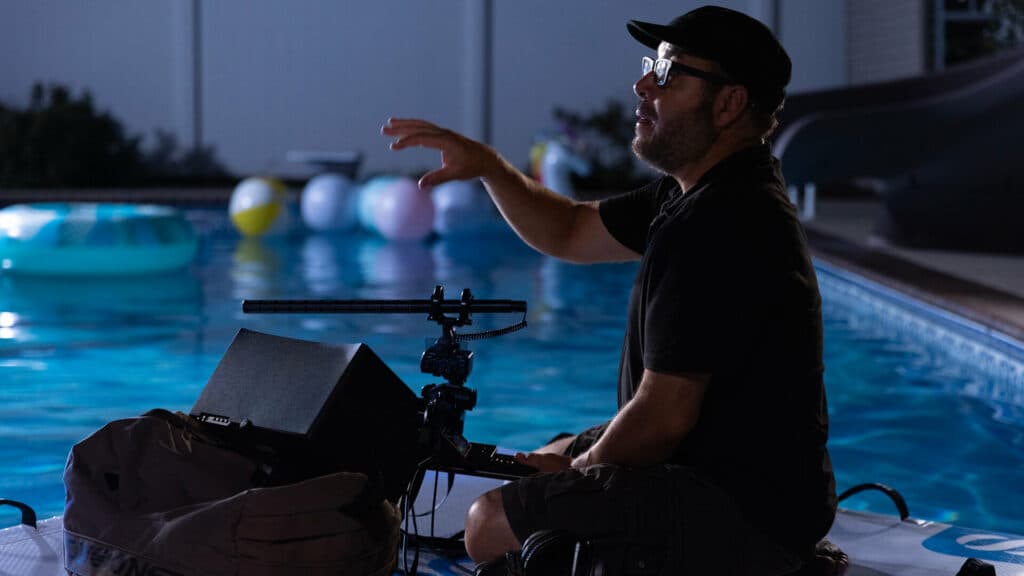
Writer-Director Sam Iwata aka LIU
Sam Iwata aka LIU
As writer‑director of Melodies of the Abyss, I’m grateful to see our work recognized by Indie Shorts Mag.
This isn’t just coverage. It’s recognition that our film has the strength to cross borders, stir resonance, and find its voice in the global conversation.
My heartfelt thanks to Indie Shorts Mag.
Got Something to add to this article?
Your email address will not be published. Required fields are marked *