Article too long to read?
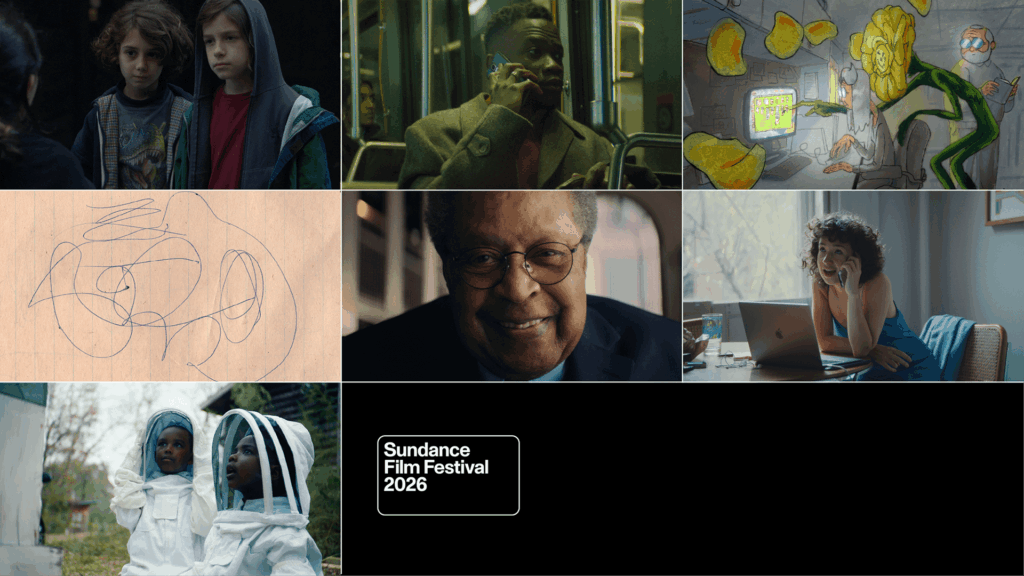
Park City’s altitude may leave you breathless, but it’s the sheer volume of ambition that truly suffocates. From a deluge of 11,480 submissions, just 54 shorts clawed their way onto the Sundance slate. By Tuesday night, the festival had distilled that chaos into seven winners—a snapshot of where independent cinema stands, and perhaps, where it’s headed.
The ceremony doubled down on Sundance’s insistence that short-form storytelling is not just a stepping stone, but a destination. The Grand Jury Prize landed in the hands of Ben Proudfoot and Stephen Curry—a pairing that reads like a fever dream of documentary gravitas and mainstream magnetism—for The Baddest Speechwriter of All.
For the indie faithful, this win is another data point in the ongoing erosion of boundaries between scrappy authenticity and marquee names. Proudfoot, whose Oscar-winning documentaries have a knack for finding the pulse beneath the headlines, teams with NBA royalty to excavate the story of Martin Luther King Jr.’s speechwriter. The result, according to the jury, is a portrait as unruly and magnetic as its subject.
Nonfiction and Animation Lead the Charge
Nonfiction didn’t just show up this year—it steamrolled the competition. Arielle C. Knight’s The Boys and the Bees, set against the backdrop of rural Georgia, follows a Black beekeeping family and snatched the Jury Award for Nonfiction. The film’s meditation on legacy and inheritance feels tailor-made for a moment when documentary is less about objectivity and more about personal reckoning.
Animation, too, had its moment in the sun. Don Hertzfeldt, whose name is practically shorthand for animated existentialism, claimed the Special Jury Award for Creative Vision with Paper Trail. Hertzfeldt’s knack for spinning a crayon squiggle into a full-blown odyssey is a reminder that budgetary constraints are no match for a singular imagination.
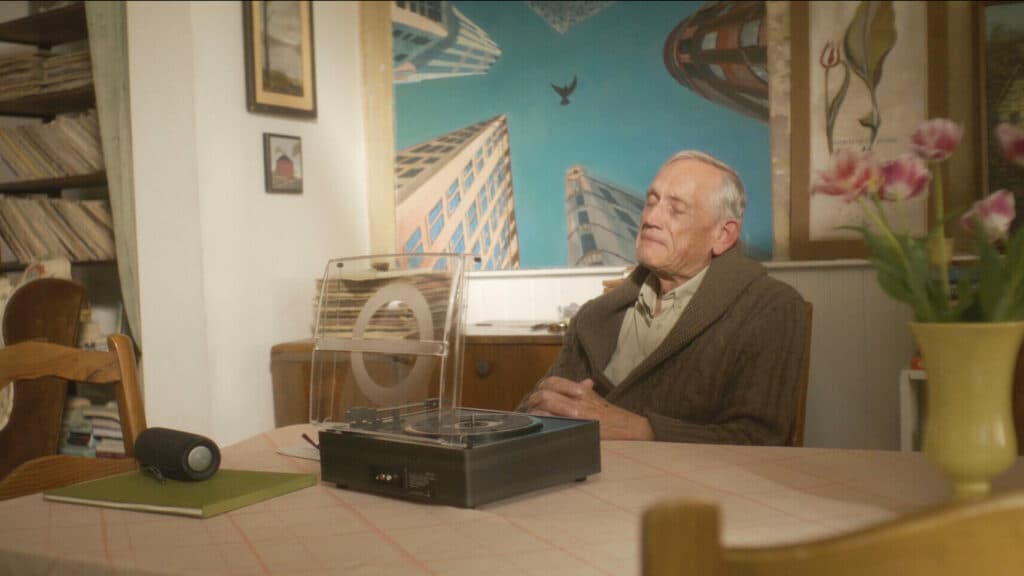
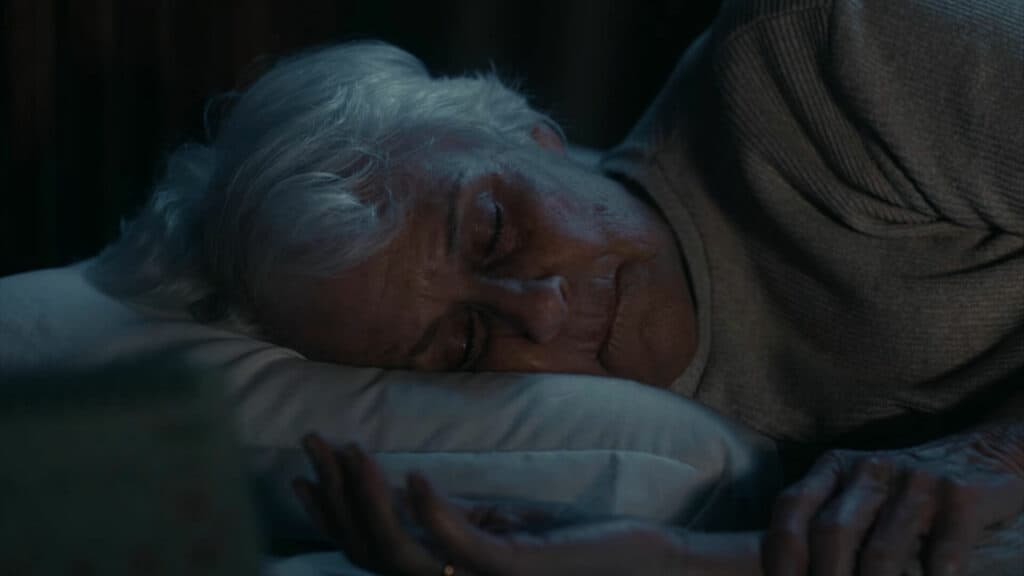
Stephen P. Neary’s Living with a Visionary, buoyed by James Cromwell’s voice work, walked away with the Animation Jury Award. The film’s willingness to approach spousal care and hallucinations with a light touch is a lesson in contrasts: sometimes, the heaviest blows are delivered with the gentlest hand.
Fiction Winners Tackle Modern Anxieties
Live-action shorts this year didn’t just reflect society—they cracked it open, exposing the fissures beneath the surface.
Lily Platt’s Crisis Actor, with Sarah Steele at its center, snagged the U.S. Fiction Jury Award by weaponizing satire against the American addiction to spectacle. The film’s ability to juggle biting humor and raw self-examination is a blueprint for writers looking to cut through the noise.
Internationally, Will Niava’s Jazz Infernal took top honors, following a young Ivorian trumpeter through Montréal’s labyrinthine jazz scene. The film’s lush atmosphere and visual bravado are less a backdrop than a character in their own right—a sign that, in 2026, sound and image are no longer content to play second fiddle to dialogue.
The Acting Standouts
Short films rarely get credit for their performances, but Noah Roja and Filippo Carrozza’s work in The Liars (Los Mentirosos) forced the jury to take notice. Their performances didn’t just blur the line between fiction and reality—they erased it, setting a new bar for what indie casting can achieve.
Vital Context for Filmmakers
This year’s jury—A.V. Rockwell, Liv Constable-Maxwell, and Martin Starr—made their preferences clear: high-wire artistic ambition is nothing without emotional ballast.
For filmmakers, the odds are brutal—54 out of nearly 11,500—but the message is unambiguous. Technical polish is table stakes; what separates the winners is a willingness to interrogate history, mental health, and the tangled roots of identity.
How to Watch
For everyone watching from afar, Sundance cracks open its gates—if only for a moment. Most of these lauded shorts will stream nationwide from January 29 to February 1.
For filmmakers, this is less a viewing opportunity than a syllabus. Watching what rises above 11,000 contenders is the closest thing to a masterclass the industry offers.
Don’t just read the list—watch the work. Visit festival.sundance.org to purchase a pass for the online screenings starting January 29. Analyze the pacing, the opening hooks, and the sound design of these winners to understand what juries are looking for in 2026.
About the Author

Related Posts
No comments yet.
Got Something to add to this article?
Your email address will not be published. Required fields are marked *