Article too long to read?
The leap from local curiosity to international contender is, for most indie documentaries, less a hurdle than a chasm. Particularly for films steeped in American social issues, the odds of crossing over are slim. Yet with The Mission Possible Book Award, Dr. Juan Phillip Chisholm has managed to do precisely that—against expectations, and perhaps, against the grain.
The film’s Official Selection at the Paris Film Awards for January 2026 is less a feather in the cap than a quiet rebuke to the notion that only universal stories travel. Sometimes, it turns out, a narrative rooted in specificity can echo from Orlando to Paris—provided it’s told with enough conviction.
Breaking the Language Barrier with Universal Themes
The Paris Film Awards has a reputation for curating films with both creative passion and narrative muscle. For The Mission Possible Book Award to find a place here is less about box-checking and more about a rare win for message-driven filmmaking—proof that a film with something to say can still cut through the noise.
Adapted from Dr. Chisholm’s own book, Mission Possible: How to Graduate from College Debt-Free, the documentary takes what could have been a narrowly American dilemma—student loan debt—and reframes it as a universal story of fortitude and reinvention. The so-called hero’s journey here is less mythic than methodical, but no less compelling for it.
Dr. Chisholm, the film’s director, expressed his reaction to the international nod:
“I am just thankful and grateful that our documentary film made from my award-winning book, Mission Possible is being recognized with an Official Selection from the Paris Film Festival.”
If there’s a takeaway for indie documentarians, it’s this: specificity anchors the narrative, but it’s the emotional architecture that gives it wings. By threading the dry mechanics of financial literacy through a story of personal reckoning, Chisholm has built a film that sidesteps the parochial and lands somewhere closer to the universal.
Visualizing the Non-Fiction Narrative
The perennial headache for anyone adapting a non-fiction or ‘how-to’ book: how do you alchemize advice into something cinematic?
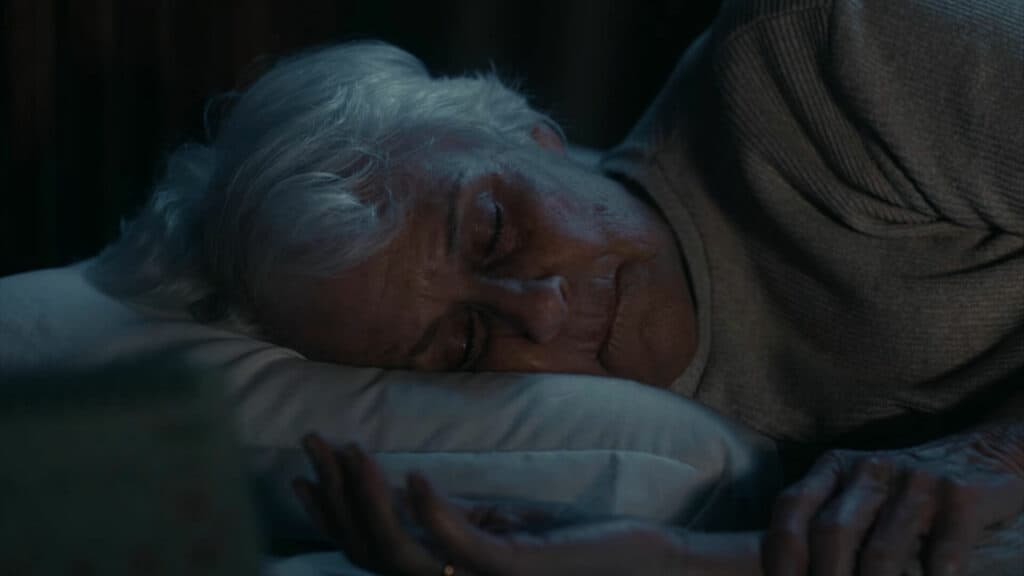
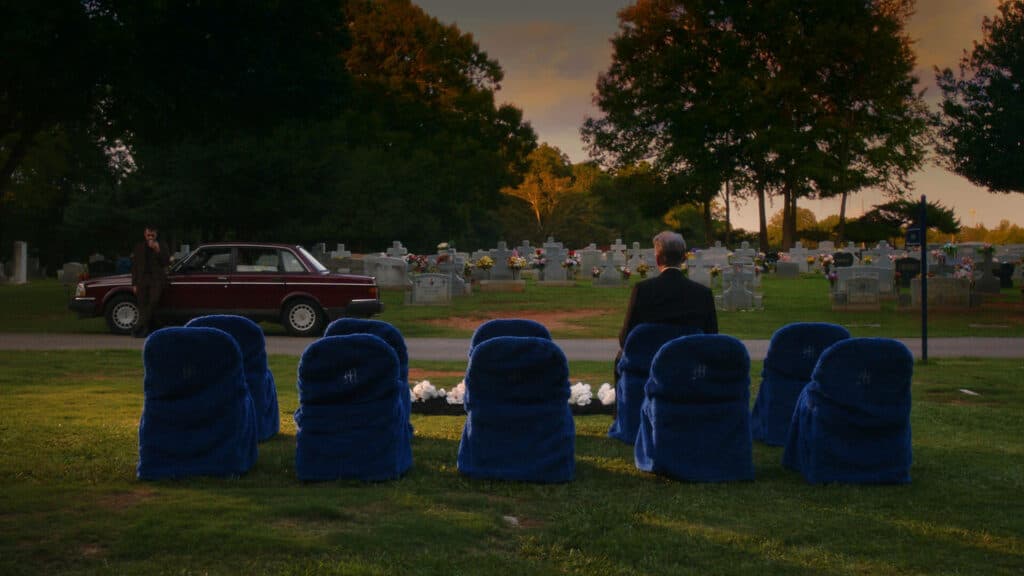
The Mission Possible Book Award sidesteps the usual “talking-head torpor” by leaning into a mixed-media approach: archival photos and video footage are stitched together to chart Chisholm’s ascent. The result is a visual timeline that lets the audience witness the transformation, rather than simply being told about it.
For short-film artists aiming to adapt IP, this serves as a template: use personal archives to build emotional intimacy rather than relying solely on present-day interviews.
A Strong Festival Pedigree
The Paris nod is hardly an outlier; it’s just the latest stop on a festival circuit that’s been unusually receptive. The film’s ability to slip between categories is, if nothing else, a demonstration of its plot elasticity.
Previously, the film picked up Best Inspirational Short at the Global Film Festival in Los Angeles—a category that, for better or worse, tends to open doors with both festival programmers and the educational market. Call it a “canary in the coal mine” for wider distribution.
Furthermore, the film’s accolades include:
- Finalist: Independent Short Awards
- Official Selection: American Golden Picture International Film Festival
- Honorable Mention: Hollywood Independent Filmmaker Awards & Festival (Feature Documentary Category, 2025)
That the project has attracted attention in both the Short and Feature categories hints at a narrative structure that refuses to be hemmed in by runtime. Festivals, it seems, are responding to that elasticity.
The Filmmaker Behind the Lens
Dr. Juan Phillip Chisholm’s résumé is as varied as his film’s festival itinerary. Author, investor, filmmaker—he brings a business sensibility to the creative process that is anything but accidental. The academic credentials (Florida State, Florida A&M, Harvard Business School) are less a footnote than a throughline.
Chisholm’s filmmaking is less a departure from his advocacy than an extension of it. By launching the Graduate Debt-Free Club®, he’s engineered a ready-made audience—proof that community-first filmmaking is less a trend than a survival strategy. Festival programmers, ever in search of built-in buzz, have taken notice.
Why This Matters for Indie Creators
The Paris selection is yet another data point in the ongoing argument that niche is, in fact, the new mainstream. The perennial anxiety that a subject is too granular or too parochial is, as Chisholm’s run suggests, largely misplaced. Treat the material with cinematic rigor and emotional clarity, and the so-called global stage is suddenly within reach.
As the film enters the 2026 circuit, the real test will be whether this educational-cinematic hybrid can parlay festival momentum into something more lasting. Distribution, after all, is the final frontier.
For filmmakers interested in studying how educational content can be adapted into award-winning documentary formats, or to view the trajectory of this project:
Visit the official film site at www.MissionPossibleBookAwardMovie.com.

About the Author

Related Posts

No comments yet.
Got Something to add to this article?
Your email address will not be published. Required fields are marked *