Article too long to read?
The velvet rope around ‘premium’ filmmaking just slackened, and the chasm between indie budgets and studio spectacle is closing at a pace that should make legacy gatekeepers nervous.
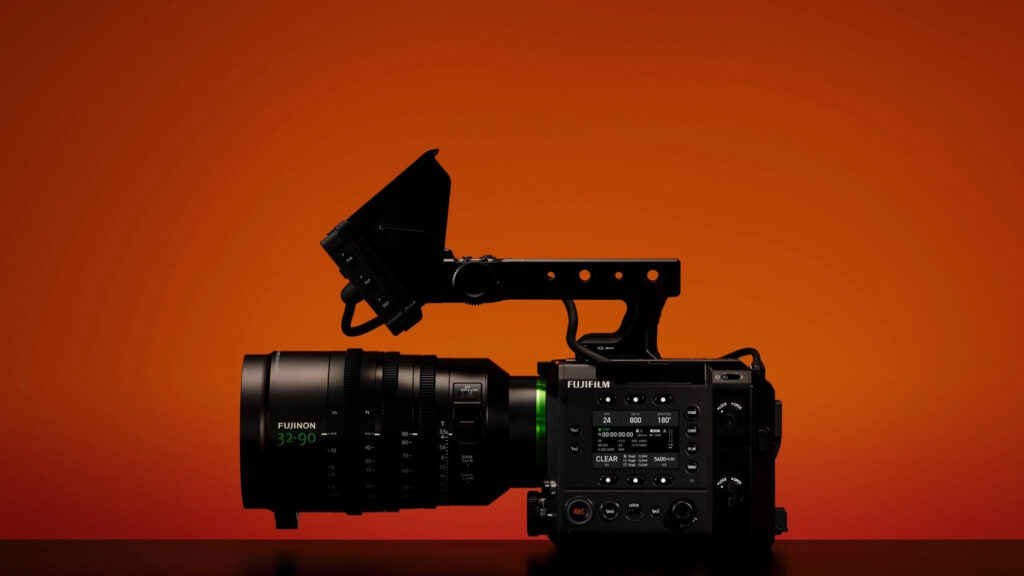
This week, the ambitions of independent filmmakers received rare validation: Fujifilm has thrown open the IMAX gates with its GFX ETERNA 55, while Canon’s EOS C50, now Netflix-approved, cements its reputation as the indie workhorse of choice.
For short filmmakers, this isn’t just another gear announcement. It’s an invitation to raise the ceiling on what your next project can be.
The IMAX Dream is Now (Technically) Reachable
For years, ‘Filmed for IMAX’ was a phrase reserved for productions with budgets that could bankroll a minor country. Now, the Fujifilm GFX ETERNA 55 steps onto the stage.
This week, the ETERNA 55 officially joins the ARRI Alexa 65 and Sony Venice in the IMAX-certified club. The twist? It does so at a price point—about $16,499—that doesn’t require a studio-sized line of credit. Yes, it’s still a serious outlay for an owner-operator, but in the rental world, Large Format filmmaking just moved from fantasy to feasible for high-end shorts and festival hopefuls.
Why It Matters for Shorts:
- The “Look”: The ETERNA 55 boasts a 43.8 x 32.9mm sensor—the tallest digital filmmaking sensor on the open market. This allows for 4:3 Open Gate recording (32.71mm height), perfect for that massive, immersive IMAX vertical scale.
- Festival Prestige: As more top-tier festivals (like Tribeca and Sundance) adopt large-format projection for premiere blocks, shooting on an IMAX-certified sensor offers a sharp visual edge.
- Flexibility: The camera supports both anamorphic and spherical workflows, giving directors the creative freedom to choose between vintage character and modern clarity.
Indie Reality Check: You don’t need a “sandworm budget” to reap the benefits. The GFX ETERNA’s certification means its color science and resolution clear the highest QC bars. For a weekend rental, you’re suddenly speaking in a visual dialect that used to be reserved for the Hollywood elite.
Canon EOS C50: The Streaming Workhorse Validated
Meanwhile, the Canon EOS C50 has quietly been added to the Netflix Approved Camera list. It’s the eleventh Canon to make the grade, but for the run-and-gun filmmaker, it might be the most consequential.
The C50’s compact form has already made it a darling of documentary shorts and indie narratives. Netflix’s seal doesn’t just anoint it as a B-cam—it elevates it to A-cam status for Originals.
Critical Settings for the C50: Netflix’s approval comes with specific “best practice” guidance that every DP should note:
- Format: Shoot Full-Frame 3:2 or Full-Frame HQ/ST for RAW workflows.
- Codecs: If stepping down to compressed 4K, you must use XF-AVC YCC422 10-bit.
- Log Selection: This is important. Netflix explicitly recommends Canon Log 2 for narrative work where dynamic range is king (offering up to 15+ stops). However, they note that Canon Log 3 provides a cleaner image with less noise in the shadows, making it preferable for high-volume post-production workflows where grading time is limited.
The Dual Base ISO—800 and 6400—is a gift for indie sets where lighting budgets are more wishful thinking than reality. Being able to jump to a clean ISO 6400 means night exteriors and shadowy interiors can be lit with whatever practicals you can scrounge, not a truckload of HMIs.
What This Means for Your Production
The industry’s message, tucked between the lines of these announcements, is twofold:
- Format rules the day: Whether it’s the skyscraper sensor in the Fujifilm or the full-frame 3:2 in the Canon, Super 35 is quietly being retired in favor of sensors that swallow you whole.
- Certification is the new insurance policy: For indie producers pitching to platforms, shooting on ‘Approved’ hardware erases a technical red flag before it can be raised. Your deliverables are, for once, future-proofed.
Planning Your Next Short?
- If you are shooting for the big screen: Contact your local rental house and ask for a day-rate quote on the Fujifilm GFX ETERNA 55. Pair it with affordable medium-format stills glass (often adaptable) for a unique look.
- If you are pitching to streamers: Download the Netflix Camera Production Guide for the EOS C50. Run a test shoot comparing Canon Log 2 vs. Log 3 in low light to see which noise floor suits your film’s aesthetic.
Story is still king, but the right tools make sure your vision survives the journey from set to screen. The gatekeepers are distracted—time to roll.


About the Author

Related Posts
Emmy-Winning Director Dante James Helms $500k Short Film Initiative to Tackle Health Disparities
The Four-Minute Revolution: NYCFF Debuts Historic ‘Shorty Shorts’ Category for Indie Creators
 News
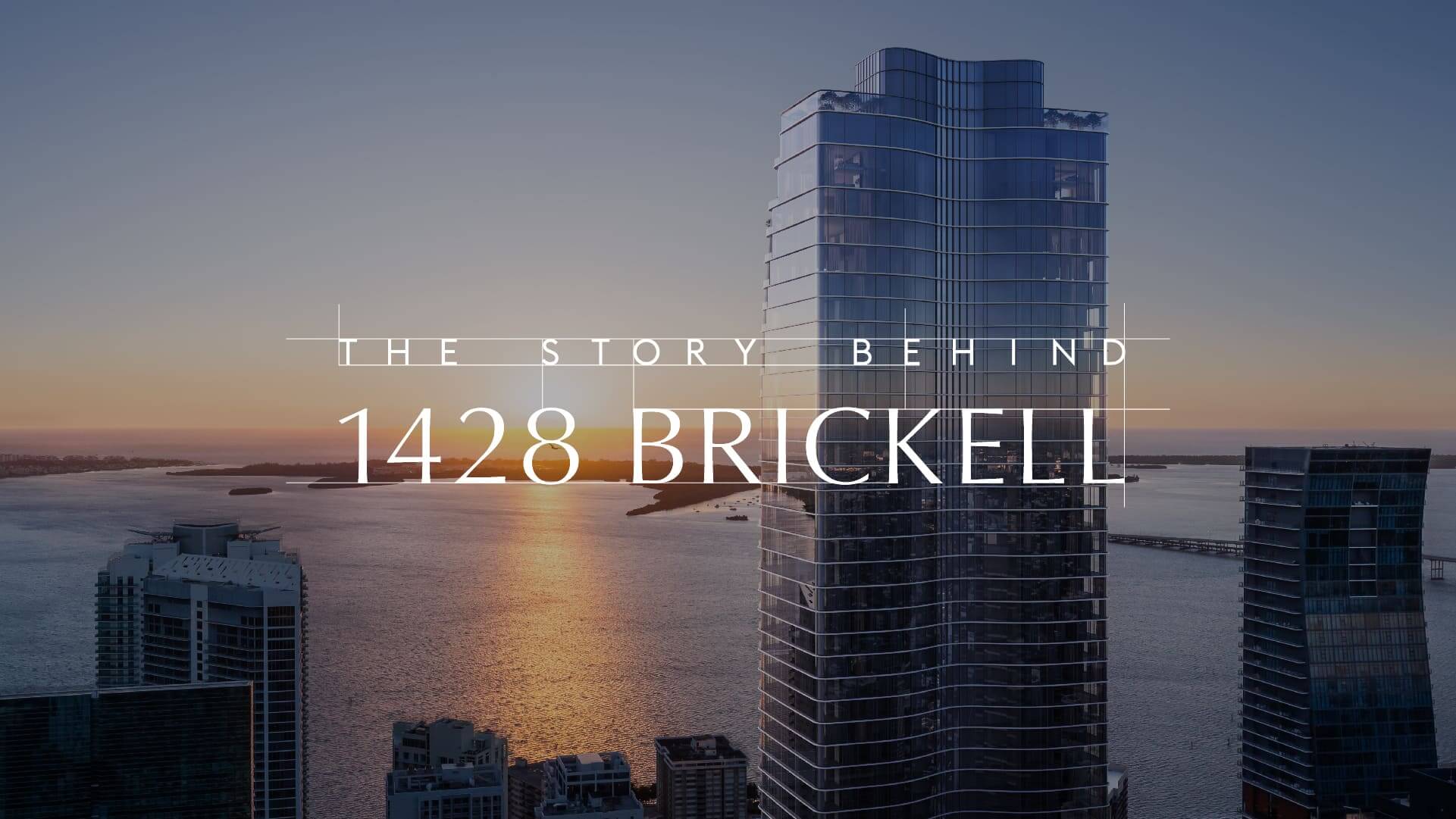
NewsWatch: ‘The Story Behind 1428 Brickell’ Shows How Branded Content is Adopting Cinematic Structures and High-End Production Values
No comments yet.
Got Something to add to this article?
Your email address will not be published. Required fields are marked *